Belgrave Square upholstery cleaning for antique sofas: a careful guide to safe, beautiful results
If you own an antique sofa in Belgrave Square, you already know the odd little balancing act it asks of you: keep it looking elegant, but never treat it like a modern flat-pack piece. That is exactly where Belgrave Square upholstery cleaning for antique sofas becomes a specialist job rather than a quick household chore. The fabrics may be delicate, the stuffing may be aged, and the frame may have more history than some museums. One wrong approach can leave water marks, dye bleed, shrinkage, or that flattened look nobody wants.
This guide explains how antique sofa upholstery cleaning should be approached in a refined London setting, what the process normally involves, what to avoid, and how to judge whether a method is suitable for your furniture. You will also find a practical checklist, a comparison of cleaning approaches, and a few real-world observations from the sort of jobs that tend to crop up in grand homes, mews properties, and quietly busy apartments around Belgravia. Let's face it: these sofas are often more sentimental than anything else.
Table of Contents
- Why Belgrave Square upholstery cleaning for antique sofas Matters
- How Belgrave Square upholstery cleaning for antique sofas Works
- Key Benefits and Practical Advantages
- Who This Is For and When It Makes Sense
- Step-by-Step Guidance
- Expert Tips for Better Results
- Common Mistakes to Avoid
- Tools, Resources and Recommendations
- Law, Compliance, Standards, or Best Practice
- Options, Methods, or Comparison Table
- Case Study or Real-World Example
- Practical Checklist
- Conclusion
- Frequently Asked Questions
Why Belgrave Square upholstery cleaning for antique sofas Matters
Antique sofas are not just old sofas. They are often hand-built, reupholstered over time, or made with materials and construction methods that need gentler handling than most contemporary furniture. In a place like Belgrave Square, many homes contain pieces with provenance, family history, or a decorative role that matters as much as function. You can clean them, of course. But the method has to suit the sofa, not the other way round.
Why does that matter so much? Because antique upholstery is vulnerable in ways that newer fabrics usually are not. Natural fibres can respond badly to excessive moisture. Vintage dyes can migrate. Fragile seams may loosen under agitation. A cleaning product that seems harmless on a modern dining chair can leave permanent damage on a 19th-century armchair or a deeply tufted Victorian sofa. And once that damage is in, it is difficult to undo. Sometimes impossible. Bit of a grim thought, but worth saying plainly.
There is also the appearance issue. Antique sofas often carry a soft patina that people love. The aim is not to make them look factory-new. It is to lift dirt, reduce odours, freshen the fabric, and preserve the texture, tone, and character that made the piece special in the first place. That is the craft of good upholstery care.
In practical terms, careful antique sofa cleaning can also protect the rest of the room. Dust, historic spill residues, pet dander, and everyday grime can sit in old fibres and slowly affect air quality around the seating area. If your home also needs a broader refresh, it may help to look at services such as deep cleaning or even regular cleaning for the surrounding space, so the sofa is not immediately re-soiled after treatment.
Expert summary: Antique sofas need preservation-led cleaning, not aggressive stain removal at any cost. The safest result is usually the one that respects the fabric, the frame, and the age of the piece.
How Belgrave Square upholstery cleaning for antique sofas Works
Although every sofa is different, the cleaning process usually follows a careful sequence. A reputable technician will start with identification, not chemicals. That means looking closely at the fabric type, construction, age, stitch pattern, and any previous repairs or reupholstery. If a sofa has been recovered more than once, the outer appearance can be misleading. Underneath, it may be a mix of old and newer materials.
The next step is a test. Usually, a small hidden area is checked for colourfastness and reaction to the chosen cleaning solution. This is particularly important with silk blends, wool, velvet, damask, and dyed natural fibres. On antique furniture, test cleaning is not a formality. It is the decision-maker. No test, no confidence. That simple.
After that comes dust extraction or gentle surface preparation. Loose debris, grit, and lint should be removed before any wet cleaning begins. This matters because rubbing dry particles into the fabric can create abrasion. You do not want to scour a century-old textile with yesterday's dust.
Then the method is selected. For some antique pieces, that may be dry compound cleaning or very controlled low-moisture treatment. For others, light foam application, careful hand-cleaning, or selective spot treatment may be appropriate. Heavy saturation is usually avoided. So is vigorous brushing. Steam cleaning, which can be useful on some modern upholstery, is often too risky for antique pieces unless the fabric and structure are clearly suitable and a professional is confident about the outcome.
Finally, the sofa is allowed to dry under controlled conditions. Good airflow helps, but direct heat can distort fabric or set in damage. Proper drying is a quiet but crucial part of the job. If you rush it, the piece may smell damp, lose shape, or show tide marks. Not ideal at all.
If the sofa is part of a larger furnishing set, a wider upholstery approach may be sensible. You can explore more general fabric care via upholstery cleaning or, where the item is more standard than antique, sofa cleaning. The antique piece, though, should always be assessed on its own merits.
Key Benefits and Practical Advantages
When antique sofa cleaning is done properly, the benefits are both visible and quietly practical. The most obvious one is appearance. Dust dulls fabric. Body oils darken armrests. Neglected spills create patchy discolouration. A careful clean can brighten a room without making the furniture look over-processed.
There is also preservation. Regular, suitable cleaning helps prevent dirt from embedding deeply into fibres. That matters because grime is not just cosmetic; it can act like fine sandpaper over time. If the sofa is used often, especially in a family home or a formal sitting room that still gets daily use, keeping that build-up under control can extend the life of the piece.
Odour reduction is another practical win. Antique sofas can trap a mixture of environmental odours, fabric age, and general room scent. Not always unpleasant, by the way. Some people enjoy that old-library feel. But if the sofa smells stale or musty, careful cleaning can make the room feel much fresher.
Then there is value protection. An antique sofa in a well-kept Belgrave Square property may be part of a curated interior, not just a seat. Clean upholstery supports the overall impression of the room and may help avoid premature reupholstery or replacement. Reupholstery can be the right choice in some cases, but it is not always the first choice. Sometimes the original fabric can still be preserved with sympathetic care.
- Improves visual presentation without stripping character
- Helps preserve delicate fibres and stitching
- Reduces dust, residue, and trapped odours
- Supports longer usable life for valuable furniture
- Can improve the comfort and hygiene of the room overall
For homeowners who care about the wider look and feel of a property, upholstery care often sits alongside other maintenance tasks. A fresh sofa in a room with dusty curtains or dirty windows still looks half-done. That is why some people schedule this work alongside window cleaning or a broader house cleaning visit. Nice and tidy. Less fuss later.
Who This Is For and When It Makes Sense
This service is for anyone with an antique or antique-style sofa that needs a cautious clean rather than a brute-force refresh. It may be a family heirloom, a statement piece in a Belgrave Square drawing room, or a vintage seat that was acquired because the frame and fabric still have some life left in them. Sometimes the sofa is gorgeous but slightly tired around the arms and seat cushions. Very common, actually.
It makes sense when the sofa shows surface dust, mild staining, dullness, or a faint stale smell, and you want to improve it without risking the original character. It also makes sense before an event, a property viewing, a refurbishment handover, or after a long period of minimal use. The fabric can look fine from across the room and still benefit from careful treatment up close.
Not every antique sofa should be cleaned the same way. Some should be left to a specialist conservator if the fabric is exceptionally fragile, historically significant, or badly deteriorated. If the piece is structurally unstable, has active mould, or carries major dye problems, a cleaning-only approach may not be right. Better to pause and assess than push ahead and regret it later.
People often ask whether older furniture should simply be left alone. Sometimes, yes. But in many real homes, that means letting dirt and grime build up until the eventual clean is harder and riskier. A measured, informed approach is usually kinder than neglect. Truth be told, the sofa usually tells you when it needs help long before anyone else does.
Step-by-Step Guidance
Here is how a careful antique sofa cleaning job is typically approached, from the first look to the final dry-down.
- Inspect the piece thoroughly. Check the fabric type, age, trim, buttons, piping, and any areas of weakness. Note existing stains, loose threads, fading, and wear patterns.
- Identify the risk level. Delicate silks, velvets, old chenilles, and mixed-fibre fabrics often need a more conservative method than hard-wearing woven cottons.
- Test in an inconspicuous area. This should confirm whether the dye runs, the pile reacts, or the fibres stiffen unexpectedly.
- Remove dry soil first. Gentle vacuuming with the right attachment helps lift dust without tugging the fabric.
- Treat spots selectively. Stains are usually handled one by one rather than flooding the whole piece. The cleaning agent is chosen to suit the fabric and stain type.
- Clean the main surfaces carefully. Low-moisture or hand-applied methods are often preferred for older pieces.
- Control drying. Use airflow, room temperature, and patience. Avoid excess heat and direct sun.
- Review the finish. Check for residue, tide marks, texture changes, or areas that need a second delicate pass.
A small practical note: if the sofa has cushions that can be removed, they should be assessed separately. Sometimes the seat cushions are far more contaminated than the frame, or vice versa. It happens more often than you might think. The outer upholstery and the inner filling age in different ways, which is why a one-size-fits-all approach can go sideways fast.
Expert Tips for Better Results
Some of the best antique sofa results come from restraint. That sounds counterintuitive, but it is true. The aim is to improve, not to overwork the fabric into submission.
Start with the least aggressive method. If a gentler process can deliver a good result, that is the one to use. Aggression is not a cleaning virtue, despite what some people think when they see a stubborn stain.
Protect the environment around the sofa. Open a window if the weather allows, but do not blast the piece with hot air. In a Belgrave Square home, the room may have thick curtains, ornate trims, and woodwork that should stay dry too.
Document old damage before cleaning. A worn seam or fading patch may be hidden once the sofa is rearranged. Noting it first helps distinguish pre-existing wear from any changes after cleaning.
Deal with spills quickly, but gently. Blotting is usually better than rubbing. Rubbing is the enemy here. Really the enemy.
Be realistic about stains. Some marks, especially age-old water staining, historic dye transfer, or oxidised spills, may improve but not disappear completely. Honest expectations are part of expert service. Better a partial win than a damaged sofa.
Coordinate with the rest of the room. If the sofa has been dulled by general room dust, pair the clean with broader fabric and surface care. In larger properties, some households combine it with deep cleaning or specific services like rug cleaning so the whole sitting area feels balanced again.
And one more thing: if you are unsure whether a stain is oil-based, water-based, or protein-based, do not guess. Cleaning chemistry is not the place for optimism.
Common Mistakes to Avoid
There are a few mistakes that come up again and again with antique furniture. Most are understandable. People want a quick fix, the sofa looks dull, and there is a bottle under the sink that promises miracles. But antique upholstery is not the place for improvisation.
- Using too much water: Saturation can leave water rings, distort stuffing, or encourage mould in the layers beneath the fabric.
- Scrubbing stains hard: This can crush the pile, spread the stain, or fray older fibres.
- Using generic cleaners: Products designed for modern fabrics may be too strong or leave a residue.
- Skipping a test patch: This is where many avoidable disasters start. One small hidden area can save the whole sofa.
- Ignoring the frame or trim: Gilded details, fringe, buttons, and seams can all react differently.
- Drying too fast: Heat guns and radiators can cause more harm than help.
- Assuming all velvet is the same: It is not. Not even close.
A slightly awkward but useful truth: some antique sofas are cleaned badly because they look sturdy. The fabric may look thick and durable, but inside it may be thin, tired, or partly repaired. If the job feels uncertain, stop and reassess. There is no medal for "most enthusiastic cleaning attempt."
Tools, Resources and Recommendations
For antique sofa cleaning, the right tools matter more than the volume of tools. You usually want controlled, gentle equipment rather than heavy-duty machinery.
- Soft upholstery brush: Helpful for lifting dust without flattening the nap.
- Upholstery vacuum attachment: Best used on low suction for surface soil.
- White microfibre cloths: Good for controlled blotting and spotting.
- pH-appropriate fabric cleaner: Suitable for the fibre type and stain condition.
- Dry towels or absorbent pads: Useful for moisture control during spot treatment.
- Airflow, not heat: Fans or natural ventilation are often preferable to aggressive drying.
If you are comparing broader service types, it may help to understand where antique upholstery cleaning sits within the wider care landscape. For newer pieces, a standard upholstery cleaning service may be enough. For households that want to keep a property consistently tidy, one-off cleaning or regular cleaning can support the rest of the room so the furniture is not constantly fighting a losing battle.
One more recommendation: keep any cleaning notes, product labels, and observations from the visit. That helps if the sofa is cleaned again later. Antique furniture responds well to continuity. It likes to be understood, frankly.
Law, Compliance, Standards, or Best Practice
Antique upholstery cleaning is not usually about a single formal legal rule, but there are important UK best-practice considerations. Professional cleaners should work safely, use suitable products, and avoid exposing occupants, pets, or surfaces to unnecessary risk. In a high-value home environment, that means sensible preparation, clear communication, and respect for the property.
Insurance matters too. If a cleaner is working on valuable or irreplaceable furniture, it is reasonable to expect suitable insurance and clear terms. You can review practical details through pages such as insurance and safety and terms and conditions. Those pages help set expectations around responsibility, safety, and service boundaries.
Good practice also includes informed consent. If a piece is fragile or the result may be limited, that should be explained before work starts. A trustworthy provider will not promise miracles on a sofa that is already near the edge. In the UK, that sort of transparency is a hallmark of good service, even when the job is a bit finicky.
There is also an environmental angle. Cleaning with care often means using only the amount of product and water truly needed. That is better for the sofa, better for the room, and usually better for sustainability. If you want to see how a company thinks about that, a page like recycling and sustainability can give you a sense of their broader approach.
Options, Methods, or Comparison Table
Here is a practical comparison of common upholstery cleaning approaches and how they tend to suit antique sofas. This is not a hard rulebook, just a useful way to think things through.
| Method | Typical Use | Best For | Antique Sofa Suitability |
|---|---|---|---|
| Dry vacuum and surface dusting | Removes loose dust and grit | All antique fabrics with stable construction | Very suitable as a first step |
| Low-moisture hand cleaning | Light soil and gentle freshening | Delicate fabrics with moderate staining | Often suitable when carefully tested |
| Foam cleaning | Controlled application to lift grime | Some woven upholstery and more robust antiques | Sometimes suitable, depending on fibre stability |
| Steam or hot-water extraction | Deeper cleaning for modern upholstery | Sturdy synthetic or treated fabrics | Often risky for antique pieces |
| Conservation-led specialist treatment | Highly cautious approach for fragile textiles | Rare, historic, or very delicate pieces | Best option for high-risk antiques |
As a rule of thumb, the more valuable or fragile the sofa, the more conservative the method should be. If a cleaner reaches for the strongest method first, that is a small warning sign. The safest professionals tend to think in layers: inspect, test, lighten, treat, then stop.
Case Study or Real-World Example
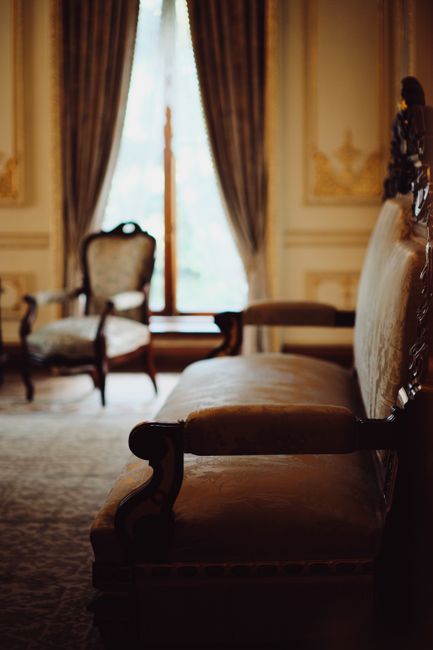
Imagine a late-Victorian sofa in a Belgrave Square reception room. It has a carved wooden frame, faded floral upholstery, and armrests that show the usual build-up from years of use. Nothing dramatic. Just that slightly tired, lived-in look that catches your eye when the afternoon light comes in through the window.
The owner does not want the sofa altered. They want it fresher, not newer. Fair enough. The cleaning approach starts with a detailed inspection. The fabric is checked for weakness around the buttons and seams, then tested in a hidden corner. The result suggests that a low-moisture treatment is safer than a wet extraction method.
Dust is removed gently first. Then the arms, seat, and back are treated in sections, with particular care around the borders where the fabric meets the frame. A couple of old marks improve significantly, though one water stain remains faintly visible. That is not failure. That is a normal outcome with antique textiles. The sofa looks brighter, the room feels more finished, and the fabric still looks like itself. Which, if you ask me, is the whole point.
In a similar property, the owner might combine sofa care with broader domestic upkeep, such as domestic cleaning or a periodic house cleaning visit. That can be a sensible way to keep the overall environment elegant without overhandling the sofa again too soon.
Practical Checklist
Before any antique sofa cleaning appointment, this checklist helps keep the job sensible and safe.
- Confirm whether the sofa is antique, vintage, or antique-style
- Note the fabric type if you know it
- Photograph existing stains, fading, wear, and loose threads
- Point out any previous repairs or reupholstery
- Ask how the cleaner will test the fabric first
- Check whether low-moisture methods are available
- Ask what drying time to expect
- Keep pets, drinks, and heavy use away during drying
- Clarify what may improve and what may remain visible
- Save any care instructions for future reference
If the sofa is part of a more formal room, it can help to plan the surrounding cleaning too. Clean windows, cleared surfaces, and fresh rugs can make the upholstery work look better. Small things, but they add up.
Get a free quote today and see how much you can save.
Conclusion
Belgrave Square upholstery cleaning for antique sofas is about more than removing dirt. It is about protecting craftsmanship, preserving character, and choosing methods that respect age and fragility. A good result should leave the sofa cleaner, fresher, and still recognisably itself. Not stripped back. Not shiny. Just cared for properly.
If you are weighing up whether to clean an antique sofa, the most sensible first move is always an honest assessment. Look at the fabric, the condition, and the risks. Ask for a test patch. Be realistic about what can be improved. And if the sofa is especially valuable or delicate, err on the side of caution. That is usually the wise choice, even if it feels a bit frustrating in the moment.
Done well, this kind of care can quietly transform a room. Not loudly. Not with drama. Just that calm, refined feeling when a treasured piece looks like it belongs again.
Frequently Asked Questions
Can antique sofas be professionally cleaned safely?
Yes, many antique sofas can be cleaned safely if the fabric, dyes, and structure are assessed first and the method is kept suitably gentle. Testing is essential.
Is steam cleaning safe for antique upholstery?
Sometimes, but often not. Steam and hot moisture can be too harsh for fragile fibres, old dyes, or historic stuffing. A low-moisture method is usually safer.
How do I know if my sofa is too delicate to clean?
If the fabric is split, very brittle, water-sensitive, heavily faded, or already showing signs of damage, it may need conservation advice rather than routine cleaning.
Will cleaning remove old stains completely?
Not always. Some stains improve a great deal, while others only soften or lighten. Antique textiles can hold onto old marks in ways modern fabrics do not.
How long does an antique sofa take to dry?
Drying time varies by fabric, method, room temperature, and airflow. Low-moisture work may dry relatively quickly, but it is best to allow proper time before heavy use.
Can I clean an antique sofa myself?
You can do light dusting and careful vacuuming yourself, but stain treatment and wet cleaning are better left to someone who understands delicate upholstery.
What is the safest first step before cleaning an antique sofa?
The safest first step is a test patch in an inconspicuous area. That tells you how the fabric reacts before any visible cleaning begins.
Does antique sofa cleaning help with smells?
Yes, careful cleaning can reduce stale or dusty odours, especially when the smell comes from embedded surface soil rather than structural damp or mould.
How often should an antique sofa be cleaned?
There is no fixed schedule. It depends on use, room conditions, and the fabric's sensitivity. Light maintenance is usually better than infrequent heavy cleaning.
Should I mention previous repairs before booking a clean?
Absolutely. Previous repairs, replaced sections, and reupholstery can change how the fabric responds, so they are important for a safe assessment.
Is professional cleaning worth it for a valuable old sofa?
Usually, yes, if the sofa has meaningful value or is a major part of the room. Professional care can help preserve the piece and reduce the risk of damage.
What if my antique sofa has velvet or silk fabric?
Velvet and silk need especially careful handling. These materials can mark, flatten, or bleed if treated too aggressively, so expert judgement is very important.
Choosing the right approach can feel a bit nerve-racking, especially when the sofa means something to you. Still, with patience and the right care, these pieces can keep their dignity for years to come.