Rug Cleaning in Homes and Businesses: A Practical, SEO-Friendly Look at Fresh, Lasting Floors
Rug cleaning is one of the most overlooked parts of interior care, yet it plays a major role in the look, feel, and hygiene of any space. Whether you have a cherished Persian rug, a modern area rug, a hallway runner, or a large commercial floor covering, regular rug cleaning helps preserve color, texture, and durability. More importantly, it supports a healthier indoor environment by reducing dust, allergens, pet dander, and trapped debris that standard vacuuming may miss.
In busy households and workplaces, rugs act like filters. They capture everyday dirt from shoes, hair, crumbs, pollen, and microscopic particles. Over time, these materials settle deep into the fibers and backing. That is why professional rug cleaning and smart at-home care are both essential. When done correctly, rug cleaning can revive appearance, protect fibers, and extend the lifespan of your investment.
Today’s homeowners and business owners want more than a surface clean. They want effective rug cleaning that removes buildup without causing damage, fading, shrinkage, or fiber distortion. They also want services that are safe for children, pets, and delicate materials. This article explains the value of rug cleaning, the most effective methods, what affects pricing, how to care for rugs between cleanings, and why choosing the right approach matters for long-term results.
Why Rug Cleaning Matters More Than You Think
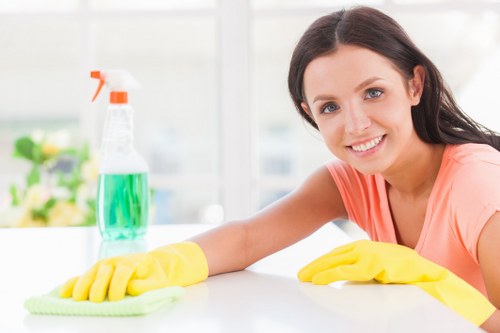
Many people notice a rug only when it looks dirty, but by then the fibers may already be holding layers of grime. Routine rug cleaning does more than improve appearance. It helps protect the structure of the rug, reduces allergens in the air, and keeps odors from becoming embedded. For households with children or pets, these benefits are even more important because rugs often trap spills, shedding, and outdoor contaminants.
A professionally cleaned rug can instantly brighten a room. Colors appear richer, patterns become more defined, and the texture feels softer underfoot. In addition, rug cleaning can remove substances that contribute to wear and tear, such as grit and sand. These tiny particles act like sandpaper when walked on repeatedly, slowly breaking down fibers. Removing them regularly helps rugs last longer and look better.
Rug cleaning also contributes to better indoor air quality. Dust, pollen, and other particles can settle deep within rug fibers and become airborne again whenever the rug is disturbed. If you live in a dusty area or suffer from allergies, consistent cleaning can make a noticeable difference. In short, keeping rugs clean is not just about aesthetics; it is also about comfort, hygiene, and long-term value.
Different Types of Rugs Need Different Cleaning Methods
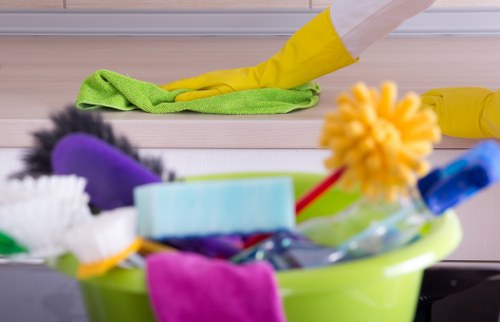
Not all rugs are created equal. Material, weave, dye stability, age, and construction all affect how rug cleaning should be handled. A wool rug, for example, may require a different process than a synthetic rug. Handmade rugs often need more careful treatment than machine-made options because dyes and fibers can be more delicate. Matching the cleaning method to the rug type is one of the most important steps in achieving good results.
Natural fiber rugs such as wool, cotton, jute, sisal, and silk respond differently to moisture and detergents. Wool is resilient, but it can shrink or bleed if handled incorrectly. Silk is elegant but highly sensitive. Cotton rugs are often more forgiving, yet they can still distort if over-wet. Synthetic rugs, such as nylon, polyester, or polypropylene, are generally more durable, but they still benefit from proper rug cleaning to remove embedded grime and restore freshness.
Some rugs are hand-knotted, others are tufted, flatwoven, braided, or hooked. Each construction has its own cleaning needs. A well-trained rug cleaning technician will examine the label, inspect the weave, identify spot risks, and test dyes before using any solution. This tailored approach helps avoid damage and ensures the rug receives the right level of care.
Common Rug Cleaning Methods Explained
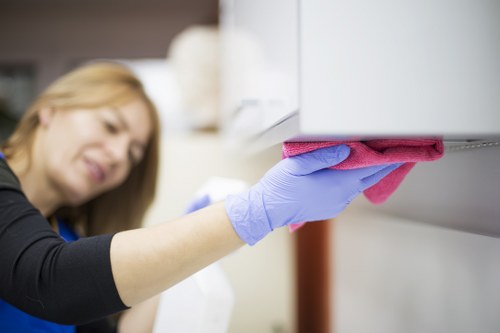
There are several rug cleaning methods, and each one has strengths depending on the rug’s condition and material. The best results often come from selecting the proper method rather than relying on one technique for every rug. Understanding these options can help you make a smarter choice when comparing services or deciding whether to clean a rug yourself.
Hot water extraction is often used for synthetic rugs and heavily soiled floor coverings. It uses heated water and cleaning agents to loosen dirt, followed by powerful extraction to remove moisture and debris. This method can produce strong results, but it must be carefully controlled to prevent oversaturation. For certain rugs, especially delicate or antique pieces, this is not always the first choice.
Other common rug cleaning methods include dry cleaning, low-moisture cleaning, immersion washing, and hand cleaning. Dry cleaning uses minimal water and is often suitable for sensitive materials. Low-moisture methods are useful when quick drying is important. Immersion washing, which involves washing a rug in a controlled bath, can be highly effective for deeply soiled rugs when performed by trained professionals. Hand cleaning is often reserved for delicate or high-value pieces that need extra attention. The goal of rug cleaning is always the same: remove dirt safely while preserving the rug’s integrity.
Method Comparison at a Glance
- Hot water extraction: Strong deep-cleaning performance for durable rugs
- Dry cleaning: Useful for delicate rugs and moisture-sensitive fibers
- Low-moisture cleaning: Faster drying and reduced risk of over-wetting
- Immersion washing: Excellent for severe buildup when expertly handled
- Hand washing: Ideal for antiques, heirlooms, and specialty textiles
What Happens During a Professional Rug Cleaning Service?
A quality rug cleaning service usually follows a structured process to ensure safety and effectiveness. First comes inspection. The technician checks the rug’s fiber type, stain areas, dye stability, condition, and any signs of wear or prior damage. This assessment helps determine the best cleaning approach and prevents mistakes that could lead to color transfer or shrinkage.
Next comes dust removal. This step is often underestimated, but it is essential because dry soil can be deeply embedded in the pile. Specialized equipment or manual methods help loosen and remove fine dust before washing. Skipping this step may leave hidden debris behind, reducing the effectiveness of the full rug cleaning process.
After dusting, the rug is treated for spots and stains. Then the chosen cleaning method is applied, whether that means a controlled wash, a low-moisture treatment, or a more specialized process. Once cleaning is complete, the rug is rinsed if needed and dried in a controlled environment. Proper drying is crucial because excess moisture can encourage odors, mildew, or fiber distortion. A final grooming or finishing step restores the rug’s texture and overall appearance.
The Main Stages in Order
- Inspection and fiber identification
- Dry soil removal
- Pre-treatment of stains and traffic lanes
- Cleaning and rinsing
- Controlled drying
- Final finishing and quality check
Signs Your Rug Needs Cleaning Soon
Some rugs clearly show signs of dirt, but others look acceptable on the surface while hiding a significant amount of buildup. If you are unsure when to schedule rug cleaning, watch for changes in appearance, smell, and texture. These clues often indicate that a rug needs attention sooner rather than later.
One common sign is a dull or flattened look. When dust and particles accumulate, colors lose brightness and the pile may appear lifeless. Another indicator is lingering odor. Rugs can trap pet smells, food aromas, smoke, and moisture-related odors that vacuuming alone cannot remove. If a rug still smells unpleasant after regular cleaning, it likely needs deeper treatment.
Rug cleaning may also be necessary if you notice increased allergy symptoms, visible stains, dark traffic patterns, or rough texture underfoot. Rugs in entryways, dining rooms, living rooms, and hallways usually need more frequent care because they endure heavy use. For commercial spaces, the schedule may be even more demanding due to constant foot traffic.
Common warning signs include:
- Persistent odors
- Visible staining or discoloration
- Flattened pile and dull color
- Increased dust or allergy irritation
- Pet accidents or moisture exposure
- Traffic lanes that remain dark after vacuuming
How Often Should Rug Cleaning Be Done?
The right rug cleaning schedule depends on use, location, material, and household conditions. A living room rug in a quiet home may need deep cleaning less often than a hallway runner in a large family house or a reception rug in a busy office. In general, regular maintenance plus periodic deep cleaning gives the best long-term results.
For many households, professional rug cleaning every 12 to 18 months is a solid baseline. Homes with pets, children, smokers, or heavy foot traffic may need cleaning every 6 to 12 months. Antique or delicate rugs may still need routine care, but the process should be gentler and timed according to material needs. Vacuuming should happen much more frequently, ideally weekly or even multiple times per week in high-traffic areas.
Commercial spaces often need a more aggressive plan. Entry mats, lobby rugs, and office floor coverings can collect dirt quickly, so monthly inspections and scheduled cleaning may be helpful. The key is not to wait until a rug looks visibly dirty. By then, soil may already be affecting the fibers. Regular rug cleaning helps prevent long-term damage and reduces the need for costly replacement.
DIY Rug Care vs. Professional Rug Cleaning
Homeowners often wonder whether they should clean rugs themselves or hire a professional. The answer depends on the rug’s value, material, size, and condition. Basic maintenance can absolutely be handled at home. Vacuuming, rotating the rug, and blotting spills quickly are all important steps. However, deep cleaning is often best left to professionals, especially for large, delicate, or expensive rugs.
DIY rug cleaning can work for simple synthetic rugs or for light surface refreshes. With the right products, you may be able to treat small stains, remove odor, or refresh a low-pile rug. Still, there are risks. Over-wetting, using the wrong detergent, scrubbing too hard, or failing to dry the rug properly can create new problems. Color bleeding and backing damage are common mistakes when rug care is rushed or improvised.
Professional rug cleaning offers specialized knowledge, stain treatment, safe drying methods, and equipment designed for deeper soil removal. If a rug is handmade, silk, antique, or emotionally valuable, the safer route is usually professional care. In many cases, spending on expert rug cleaning can save money over time by preserving the rug’s condition and avoiding replacement costs.
When DIY Makes Sense
- Small spills on durable synthetic rugs
- Light surface dirt
- Routine vacuuming and spot blotting
- Low-risk maintenance between professional cleanings
When to Choose a Professional
- Antique or handmade rugs
- Pet urine, smoke, or severe odors
- Delicate fibers such as silk or wool
- Large stains or color transfer
- Rugs with sentimental or high monetary value
Stain Removal and Spot Treatment Tips
Spills happen, but quick action can make a major difference. The first rule of stain treatment is to blot, not rub. Rubbing can push the spill deeper into the fibers and spread the stain. A clean white cloth or paper towel should be used to absorb excess liquid. For many spills, a small amount of water and a suitable cleaner can help, but always test first on a hidden area.
Different stains need different treatment approaches. Food spills, coffee, tea, wine, ink, mud, and pet accidents each behave differently. For example, oily stains may require a degreasing solution, while protein-based stains often need careful enzymatic treatment. The wrong cleaner can make the stain worse or set it permanently. That is why careful identification matters in rug cleaning.
If a stain is large, old, or difficult, professional help is often the safest choice. Deep-set marks can spread when treated incorrectly, and repeated DIY attempts may damage the rug. A skilled technician can assess the material, determine the source of the stain, and apply a targeted solution that protects the rug while improving the chances of full removal.
How Rug Cleaning Helps With Allergies and Indoor Air Quality
Rugs do more than decorate a room; they also collect airborne particles. Dust, pet dander, pollen, mold spores, and other allergens settle into rug fibers and can be stirred up again when people walk across them. If someone in the household has allergies or asthma, regular rug cleaning can help reduce exposure and make the environment more comfortable.
Vacuuming is a strong first line of defense, but it does not remove everything. Over time, particles become embedded in the pile and backing. Deep rug cleaning helps flush out hidden debris that contributes to stale air and irritation. In rooms where people spend a lot of time, such as bedrooms, living rooms, and offices, clean rugs can support healthier daily living.
Fresh rugs also improve the overall feel of a space. When allergens and odors are reduced, the room feels lighter, cleaner, and more inviting. This is especially helpful in enclosed spaces where airflow is limited. For many households, rug cleaning is not just a visual upgrade; it is a wellness decision.
Choosing the Right Rug Cleaning Service
When selecting a provider, look for experience, clear methods, and knowledge of different fibers. A reputable rug cleaning company should be able to explain how it handles wool, silk, synthetics, and specialty pieces. It should also offer inspection before treatment and be transparent about the cleaning process.
Ask whether the service performs dust removal, stain testing, controlled drying, and post-clean inspection. These details matter because they reflect quality and care. A strong rug cleaning provider will never use a one-size-fits-all method. Instead, it should adapt the process to the rug’s needs, the severity of dirt buildup, and any sensitive dyes or finishes.
Also consider turnaround time, pickup and delivery options if available, and whether the provider offers protection for fragile pieces. While pricing matters, the cheapest option is not always the best. With rugs, proper handling is often more valuable than a quick bargain. Book your service now if your rug needs immediate attention and you want results that protect both beauty and structure.
What to look for in a quality provider
- Experience with multiple rug types
- Detailed inspection and testing procedures
- Safe drying and finishing methods
- Clear explanation of stain treatment options
- Good handling practices for delicate rugs
Tips to Keep Rugs Cleaner for Longer
Good maintenance can reduce how often a rug needs deep treatment. A few simple habits can make a noticeable difference between professional cleanings. First, vacuum regularly using the right setting for the rug’s pile. Slow, repeated passes help lift dirt before it settles deeper. Second, rotate the rug every few months so that wear is distributed more evenly across the surface.
Using entry mats is another smart strategy. They catch dirt before it reaches your rugs, especially in homes with frequent foot traffic. Prompt spill cleanup is equally important. The faster you address a spill, the better the outcome. For households with pets, keeping grooming routines consistent can reduce shedding and dander buildup on rugs. These small habits support better long-term rug cleaning results.
Finally, avoid placing rugs in areas where moisture lingers or where direct sunlight causes fading unless the rug is designed for that setting. Sun protection, humidity control, and careful furniture placement can all help preserve appearance. Simple care habits work hand in hand with periodic rug cleaning to keep your floor coverings looking great.
Practical maintenance checklist
- Vacuum on a regular schedule
- Rotate rugs periodically
- Blot spills immediately
- Use protective entry mats
- Schedule deep cleaning before heavy buildup forms
Why Professional Rug Cleaning Is a Smart Long-Term Investment
Rugs are often more expensive than people realize, especially when they are handmade, imported, or built from premium materials. Treating them well is a financial decision as much as a cleaning decision. Regular rug cleaning helps preserve their texture, color, and overall condition, which can reduce the need for early replacement. That savings can add up over time.
There is also the matter of presentation. In homes, clean rugs make rooms feel cared for and inviting. In commercial spaces, they support professionalism and attention to detail. A stained or dull rug can affect how visitors perceive the entire environment. Investing in rug cleaning helps maintain a polished atmosphere and keeps spaces looking intentional rather than neglected.
Clean rugs also support peace of mind. You do not have to wonder whether hidden dust, pet odors, or spill residue are building up beneath your feet. With regular rug cleaning and sensible maintenance, you can enjoy the comfort and beauty of your rugs with far less stress. If your rug has been overdue for attention, now is a great time to take action. Contact us today to restore freshness and protect your flooring investment.
Final Thoughts on Rug Cleaning
Rug cleaning is about much more than making a floor covering look brighter. It protects fibers, improves hygiene, reduces allergens, and helps rugs last longer. Whether you rely on routine vacuuming, spot treatment, or expert deep cleaning, the right care plan can make a meaningful difference in both appearance and performance.
By understanding rug materials, recognizing warning signs, and choosing safe methods, you can keep your rugs in excellent condition for years. For delicate, high-value, or heavily used pieces, professional rug cleaning is often the most effective and safest option. The results are noticeable, the benefits are practical, and the long-term value is hard to ignore.
If your rug looks dull, smells musty, or simply needs a refresh, do not wait until the problem gets worse. Book your service now and give your rugs the care they deserve. With the right rug cleaning approach, your floors can look cleaner, feel softer, and support a healthier space every day.