Office Cleaning in Modern Workspaces: Why It Matters and How to Do It Right
Office cleaning is more than a routine task; it is a vital part of keeping a workplace healthy, productive, and professional. From busy corporate headquarters to small shared studios, every workspace benefits from a consistent office cleaning plan that supports employee wellness and creates a positive impression for visitors. When office cleaning is done well, it helps reduce dust, improve air quality, protect surfaces, and maintain a space where people can focus on their work without distractions.
Businesses today are paying closer attention to hygiene standards, and for good reason. Clean desks, sanitized restrooms, polished floors, and organized common areas all contribute to a stronger workplace culture. Office cleaning also helps extend the life of furniture, flooring, and equipment, which makes it a smart investment rather than a simple expense. Whether a company handles daily upkeep in-house or hires professionals, the goal is the same: a safe, orderly, and welcoming office environment.
Another important reason office cleaning matters is the impact on first impressions. Clients, partners, and job candidates often notice the condition of an office the moment they walk in. A tidy reception area, clean glass, and fresh-smelling meeting rooms signal professionalism and attention to detail. On the other hand, neglected spaces can create doubts about how a business operates overall. That is why office cleaning should never be treated as an afterthought.
The Value of Office Cleaning in Everyday Business Operations
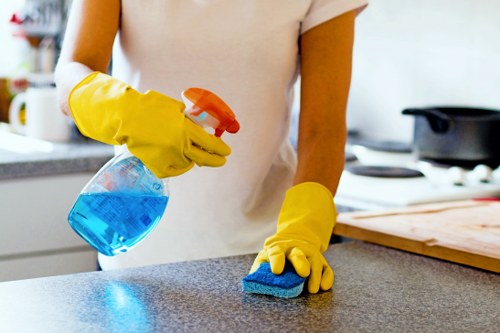
Office cleaning supports daily operations in ways many people do not notice until something goes wrong. A clean desk area makes it easier for employees to stay organized. Sanitized kitchens reduce the spread of germs. Well-maintained restrooms help staff and visitors feel comfortable. Each part of the office contributes to the workplace experience, and office cleaning keeps those parts working together smoothly.
There is also a strong connection between cleanliness and productivity. When employees work in a clutter-free and sanitary environment, they spend less time dealing with distractions and more time focusing on important tasks. Office cleaning helps reduce the buildup of dust and allergens, which can affect concentration and comfort. In this sense, office cleaning is not only about appearance; it is part of a healthier and more efficient workday.
For many organizations, office cleaning also supports brand reputation. Companies that maintain clean conference rooms, spotless entryways, and polished flooring communicate reliability. This matters in client-facing industries, but it is equally important in internal-facing teams where staff morale depends on the quality of the workspace. Office cleaning is a practical business decision that affects both perception and performance.
Core Areas That Need Regular Attention
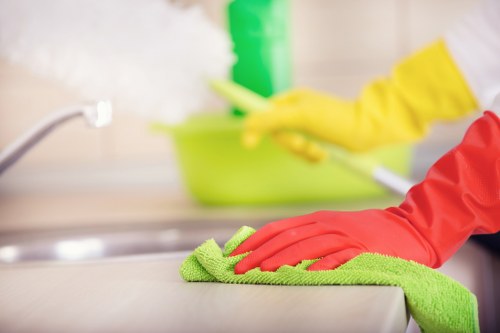
Effective office cleaning requires more than vacuuming and emptying bins. Different spaces in an office have different cleaning needs, and each area should be addressed consistently. Some areas require daily cleaning, while others may only need weekly or periodic attention depending on foot traffic and usage.
Reception areas are often the first place visitors see, so they should always be tidy, dust-free, and inviting. Desks and workstations should be cleaned carefully to remove dust, fingerprints, crumbs, and other buildup. Restrooms deserve special attention because they can quickly become unhygienic if neglected. Break rooms and kitchen spaces should be sanitized frequently, especially around sinks, counters, and appliances where food residue can accumulate.
Conference rooms, glass partitions, elevators, and shared equipment such as printers and copiers also need routine cleaning. These touchpoints are used by many people throughout the day, making them key areas in any office cleaning routine. Clean shared spaces help lower the risk of germ transmission and improve overall workplace comfort.
High-priority zones in office cleaning
- Reception desks and waiting areas
- Workstations and shared desks
- Restrooms and washrooms
- Kitchenettes and break rooms
- Conference rooms and meeting spaces
- Door handles, switches, and other touchpoints
Health and Hygiene Benefits of Office Cleaning
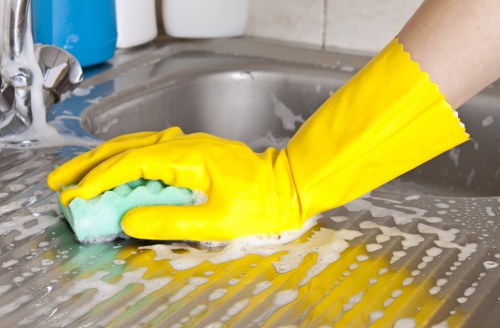
One of the biggest advantages of office cleaning is improved health and hygiene. Offices are high-contact environments where germs can spread quickly through shared surfaces, equipment, and communal areas. Regular cleaning and sanitizing help reduce the presence of bacteria, viruses, and allergens, which can contribute to fewer sick days and better overall well-being.
Dust control is another important factor. Dust can collect on vents, shelves, blinds, carpets, and electronic equipment, creating discomfort for employees with allergies or sensitivities. By making dust removal part of a regular office cleaning schedule, businesses can improve indoor air quality and create a more pleasant work atmosphere. This matters especially in offices with carpeting or older HVAC systems that may circulate particles more easily.
Clean offices also support mental well-being. A messy, dirty, or cluttered environment can increase stress and make it harder for employees to stay focused. In contrast, a clean environment signals order and control. Office cleaning helps create a calm, organized atmosphere where people can do their best work. It is a simple way to show employees that their health and comfort are valued.
Why hygiene-focused cleaning matters every day
Daily hygiene-focused office cleaning is especially important in shared environments where multiple employees use the same surfaces. Frequent disinfection of high-touch areas such as keyboards, phones, and lift buttons can make a meaningful difference in workplace safety. Even in offices with fewer people, consistent cleaning remains essential because germs and dust do not disappear on their own.
Professional Office Cleaning vs. In-House Cleaning
Businesses often decide between handling office cleaning internally or hiring a professional service. Both options can work well, but each has advantages depending on the size of the office, the level of traffic, and the standards the company wants to maintain. In-house cleaning may seem cost-effective at first, but it often requires staff time, training, supplies, and supervision.
Professional office cleaning services bring expertise, equipment, and consistency. Trained cleaners understand how to handle different materials, protect delicate surfaces, and use the right products for specific tasks. They also typically follow structured routines that cover all areas of the office thoroughly. This can be especially useful for larger workplaces or businesses with strict hygiene expectations.
In-house cleaning, on the other hand, may be suitable for very small offices or businesses with simple cleaning needs. However, it is important to be realistic about the time and attention required. If cleaning tasks are added onto an employee’s normal workload, the quality may drop over time. Many companies choose a hybrid approach: internal staff handle light daily tidying while a professional office cleaning team handles deeper and more technical tasks.
Benefits of professional office cleaning
- Consistent cleaning standards
- Access to specialized tools and products
- More efficient use of employee time
- Better results for deep cleaning tasks
- Flexible scheduling options
What a Strong Office Cleaning Plan Should Include
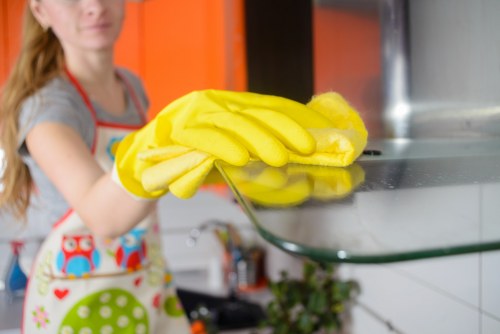
A successful office cleaning plan should be tailored to the needs of the workspace. Not every office has the same layout, number of employees, or level of daily foot traffic. Still, most effective plans include a combination of daily, weekly, and periodic tasks that keep the workplace consistently clean.
Daily office cleaning typically focuses on visible and high-use areas. This may include emptying trash bins, wiping down desks, sanitizing shared surfaces, cleaning restrooms, and tidying reception areas. Weekly tasks often include vacuuming carpets more thoroughly, mopping hard floors, cleaning glass surfaces, and disinfecting less frequently used rooms. Monthly or quarterly tasks may involve deep cleaning upholstery, washing windows, shampooing carpets, and cleaning air vents.
Consistency is essential. A clean office one day and a neglected office the next does not create a reliable standard. Businesses that invest in regular office cleaning benefit from a steady level of cleanliness that supports both employees and guests. A clear cleaning schedule makes it easier to stay organized and accountable.
Example office cleaning schedule elements
- Daily: bins, restrooms, counters, touchpoints
- Weekly: floors, glass, kitchen appliances, dusting
- Monthly: vents, upholstery, deep sanitizing, detailing
- Quarterly: carpets, windows, storage areas, heavy buildup removal
Best Practices for Effective Office Cleaning
There are several best practices that can improve the quality and consistency of office cleaning. First, use the right products for each surface. Glass, wood, metal, laminate, and fabric all require different cleaning methods to avoid damage. Second, always prioritize high-touch areas because they are the most likely to spread dirt and germs. Third, follow a top-to-bottom approach so dust and debris do not fall onto already cleaned surfaces.
Another best practice is to organize cleaning by zone. Dividing the office into sections such as reception, workstations, restrooms, and common areas helps ensure nothing is missed. This approach is especially helpful in larger offices where multiple rooms and floors need attention. It also makes office cleaning more efficient because tasks can be assigned and tracked more easily.
Training and communication matter too. If employees are expected to keep their own areas neat, they should understand the standards clearly. If a professional cleaning team is used, the business should communicate priorities, access times, and any special requirements. Good communication leads to better office cleaning results and fewer misunderstandings.
Smart practices for cleaner workplaces
- Use surface-appropriate cleaning products
- Focus on shared and high-touch zones
- Clean from top to bottom
- Separate tasks by area or zone
- Maintain clear expectations for staff and cleaners
Office Cleaning and Workplace Productivity
Clean offices can make a measurable difference in productivity. When employees are not distracted by clutter, stains, unpleasant odors, or dusty surfaces, they can concentrate more fully on their work. Office cleaning reduces friction in the environment, making it easier for teams to collaborate and complete tasks efficiently. The benefits may be subtle at first, but they add up over time.
Meeting rooms are a good example. A spotless table, clean chairs, and a fresh room setup create a more professional environment for discussion and decision-making. Similarly, a well-maintained break room gives staff a comfortable place to recharge, which can support morale and energy levels throughout the day. Clean spaces do not replace strong leadership or effective workflows, but they certainly help create the right conditions for success.
Office cleaning can also support fewer interruptions. When desks, floors, and shared areas are cleaned regularly, staff spend less time dealing with messes, missing supplies, or complaints about hygiene. That means fewer distractions and more focus on the work that matters. In this way, office cleaning is directly linked to workplace efficiency.
Choosing the Right Office Cleaning Routine for Your Business
The best office cleaning routine depends on business size, workflow, and occupancy patterns. A small office with ten employees may only need a straightforward daily routine plus weekly deep tasks. A larger multi-floor workplace may need several cleaning shifts, specialized equipment, and more detailed oversight. The key is to match the cleaning plan to real usage rather than using a one-size-fits-all approach.
It also helps to review the routine regularly. Offices change over time. New hires, additional meeting rooms, changing schedules, and seasonal conditions can all affect cleaning needs. For example, winter weather may increase the amount of dirt tracked inside, while flu season may require extra disinfection. A flexible office cleaning plan adapts to these changes without losing consistency.
Businesses should also think about sustainability. Many workplaces now prefer eco-friendly office cleaning products that reduce harsh chemical exposure while still delivering strong results. Low-toxicity products, microfiber cloths, and efficient water use can support a healthier and more environmentally responsible cleaning strategy.
Questions to consider when planning office cleaning
- How many people use the office each day?
- Which areas receive the most traffic?
- What surfaces need special care?
- How often should deep cleaning happen?
- Are eco-friendly products a priority?
Common Mistakes to Avoid in Office Cleaning
Even with good intentions, some offices make avoidable mistakes that reduce the effectiveness of cleaning efforts. One common problem is focusing only on visible areas while ignoring corners, vents, under furniture, and other hidden spots where dust collects. Another mistake is using the wrong product on the wrong surface, which can cause damage over time. Office cleaning should be thorough and informed, not rushed.
Inconsistent scheduling is another issue. If cleaning happens only when the office looks dirty, the workspace can quickly become uncomfortable or unhygienic between cleanings. It is better to follow a consistent schedule that keeps standards high at all times. Offices should also avoid overusing strong chemical products when milder solutions would work just as well. Balance matters in office cleaning, especially in shared environments.
Finally, businesses sometimes underestimate the importance of details. Smudged mirrors, dusty baseboards, streaked glass, and overlooked corners can make an otherwise clean office feel unfinished. Attention to detail is what separates basic tidying from truly effective office cleaning. Small improvements often have the biggest visual impact.
Signs your office cleaning routine needs improvement
- Persistent dust buildup
- Unpleasant odors in shared areas
- Dirty restrooms or kitchens
- Streaks on glass and reflective surfaces
- Too much clutter on desks and tables
How Office Cleaning Supports Long-Term Asset Care
Office furniture, flooring, fixtures, and equipment all last longer when they are properly maintained. Dust can scratch surfaces, spills can stain carpets, and grime can wear down materials over time. Regular office cleaning helps prevent this kind of damage and protects the appearance and function of business assets. That makes cleaning a form of asset care as much as a hygiene practice.
Floors are a good example. Carpets, vinyl, tile, and hardwood each have specific needs, but all benefit from routine maintenance. Vacuuming, mopping, spot cleaning, and periodic deep cleaning help preserve their condition and reduce replacement costs. The same is true for office furniture, which can look worn quickly if it is not cleaned and cared for consistently. Clean surfaces age more gracefully.
Equipment also benefits from office cleaning. Printers, monitors, keyboards, and other shared devices can collect dust and fingerprints. Regular dusting and careful cleaning help maintain performance and appearance. In a busy office, these details matter because they support both function and professionalism. Better cleaning habits can reduce long-term repair and replacement expenses.
Final Thoughts on Office Cleaning in Any Workplace
Office cleaning is one of the simplest ways to improve a workplace, yet it has a wide-ranging impact. It supports health, productivity, first impressions, equipment longevity, and staff comfort. Whether an organization manages cleaning internally or works with professionals, the key is to build a routine that is consistent, practical, and tailored to the space.
Modern workplaces need more than occasional tidying. They need a thoughtful office cleaning strategy that keeps high-touch areas sanitary, shared spaces welcoming, and workstations organized. With the right approach, office cleaning becomes part of a broader effort to create a workplace where people can do their best work with confidence and ease.
If your business is ready to improve hygiene, appearance, and day-to-day comfort, contact us today to explore a cleaner, more efficient workplace solution. Book your service now and make office cleaning a lasting advantage for your team.