Upholstery Cleaning in Modern Homes and Businesses: Fresh, Healthy, and Long-Lasting Results
Why Upholstery Cleaning Matters for Every Space

Upholstery cleaning is one of the most effective ways to keep a home or business looking polished, comfortable, and hygienic. Sofas, chairs, ottomans, sectionals, and office seating all collect dust, body oils, food crumbs, pet dander, and everyday grime over time. Even when furniture still looks “fine” on the surface, hidden buildup can affect air quality, fabric condition, and the overall feel of a room.
Many people focus on carpet care and window cleaning, but upholstery cleaning plays an equally important role in maintaining a healthy indoor environment. Upholstered furniture is used constantly, which means it absorbs spills and particles faster than many other surfaces. Regular cleaning helps preserve fabric texture, color, and softness while reducing allergens that can circulate indoors.
For homeowners, a clean couch can make a living room feel brighter and more inviting. For businesses, well-maintained chairs and reception seating create a more professional impression. Whether the setting is residential or commercial, professional upholstery cleaning can extend the life of furniture and improve comfort for everyone who uses it.
What Upholstery Cleaning Actually Does
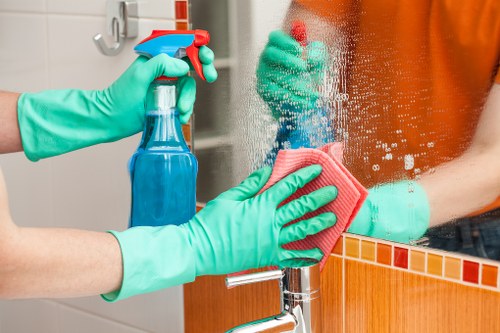
Upholstery cleaning targets embedded dirt and contaminants that regular vacuuming cannot fully remove. Different fabrics require different approaches, but the main goal is always the same: lift away soil without damaging the material or leaving behind excess moisture. The process may include inspection, vacuuming, spot treatment, deep extraction, steam cleaning, dry cleaning, or low-moisture methods depending on the fabric type.
Professional upholstery cleaning can address a wide range of issues, including stain removal, odor reduction, and allergen control. It is especially useful for high-traffic furniture that experiences frequent use. Over time, oils from skin and hair can darken armrests and headrests, while pets and children may contribute to stains or lingering smells. A skilled cleaning approach helps restore a fresher appearance and a more pleasant indoor atmosphere.
Unlike surface dusting or quick spot wipes, upholstery cleaning penetrates the fabric fibers. This deeper treatment can help remove particles trapped in padding and seams. It also supports better hygiene by reducing common irritants such as dust mites, pollen, and pet-related debris. For fabric furniture that is part of daily life, that difference can be significant.
Signs Your Furniture Needs Upholstery Cleaning
Many furniture owners wait until a stain becomes obvious before considering upholstery cleaning, but several signs indicate it may be time for service much sooner. A dull appearance, fading, lingering odors, or fabric that feels rough or sticky can all point to hidden buildup. If the room smells less fresh even after regular tidying, the upholstery may be absorbing and holding onto odors.
Another common sign is visible discoloration in frequently touched areas. Armrests, headrests, seat cushions, and backrests often show wear first. Pets can add hair, dander, and tracked-in debris, while food and drink accidents can create staining that becomes harder to remove over time. Acting quickly helps prevent stains from setting and reduces the need for aggressive cleaning methods later.
Consider upholstery cleaning if you notice any of the following:
- Noticeable stains or spots on seats or cushions
- Persistent odors from pets, smoke, or spills
- Fabric that looks flattened, dusty, or discolored
- Increased allergy symptoms when spending time indoors
- Furniture that has not been cleaned in a year or more
When these signs appear, a professional cleaning service can help refresh the furniture and restore a more comfortable living or working environment.
Benefits of Regular Upholstery Cleaning
There are many practical reasons to invest in upholstery cleaning on a routine basis. One of the biggest benefits is improved indoor air quality. Upholstered pieces can hold dust, pollen, and other airborne particles, and these materials may get released back into the room whenever someone sits down or moves the cushions. Cleaning helps reduce that buildup and creates a cleaner-feeling space.
Another major advantage is fabric preservation. Dirt and grit act like abrasive particles, slowly wearing down fibers each time furniture is used. Over months and years, this can lead to premature fading, thinning, and a worn-down look. Routine upholstery cleaning helps protect the material and can extend the usable life of your furniture.
Upholstery cleaning can also enhance comfort and appearance. Fresh, clean cushions simply feel better to sit on, and a well-kept sofa or chair improves the visual appeal of an entire room. In business settings, this matters even more because furniture is part of your brand presentation. Clean seating in waiting areas, lobbies, lounges, and meeting rooms communicates attention to detail and care.
Here are some of the most important benefits:
- Improves indoor hygiene and freshness
- Removes surface and embedded contaminants
- Helps reduce allergens and odors
- Preserves color, texture, and fabric life
- Supports a cleaner, more attractive environment
Types of Upholstery and Why Fabric Matters

Not all furniture fabrics respond to cleaning in the same way, which is why upholstery cleaning should always begin with a material assessment. Cotton, linen, polyester, microfiber, wool, leather, suede, velvet, and blended fabrics each have their own characteristics. Some are highly absorbent, while others are more delicate or sensitive to moisture and heat.
Fabric codes or manufacturer care labels are often helpful in determining the safest cleaning method. For example, some materials can handle water-based treatments, while others require solvent-based or low-moisture techniques. Using the wrong method can lead to shrinking, color bleeding, water marks, or texture changes. A professional upholstery cleaning service will identify the fabric before selecting the right process.
Understanding your furniture type helps protect your investment. Leather, for instance, may need gentle cleaning and conditioning rather than deep water extraction. Microfiber is often durable but can still trap oils and dirt in the weave. Delicate fabrics such as silk or vintage materials may require extra care. The best upholstery cleaning approach always matches the furniture’s construction and finish.
Common Upholstery Cleaning Methods Explained
There are several different upholstery cleaning methods, and each one serves a specific purpose. Choosing the right method depends on the type of fabric, the level of soiling, and the nature of any stains or odors. Understanding the options can help you make better decisions about how to care for your furniture.
One of the most common methods is hot water extraction, sometimes referred to as steam cleaning, although actual steam is not always used. This process uses heated water and specialized solutions to loosen dirt before extracting it from the upholstery. It is effective for many synthetic fabrics and heavily used furniture, though it may not suit more delicate materials.
Another approach is dry upholstery cleaning, which uses minimal moisture and is often chosen for fabrics that cannot tolerate significant wetting. This method can be especially useful for fragile furniture, antique pieces, or materials prone to water damage. Low-moisture cleaning is also popular in commercial environments where faster drying times are important.
Additional options may include foam cleaning, solvent cleaning, and targeted stain treatment. Each technique has strengths and limitations, which is why professional upholstery cleaning often starts with a fabric test and spot evaluation. The right method helps achieve a clean result while reducing the risk of damage.
Deep Extraction for Heavily Used Furniture
Deep extraction is a strong choice for couches, recliners, and chairs that have been exposed to daily use. It is designed to remove dirt from deep within the fibers and padding. This method can be especially useful in homes with children, pets, or smokers, as well as in offices with constant foot traffic and shared seating.
When performed correctly, deep extraction can lift out embedded grime and leave upholstery looking noticeably refreshed. Because moisture levels and drying times matter, it is important to follow proper procedure and ensure adequate ventilation after cleaning. This helps prevent over-wetting and keeps the furniture in good condition.
Dry Cleaning for Delicate Materials
Dry cleaning methods are often preferred for upholstery that could be harmed by water. These processes use specialized compounds or solvents to break down soil without saturating the material. This can help protect sensitive fabrics and decorative pieces that require a more careful touch.
Choosing the correct upholstery cleaning method is essential because delicate fabrics can respond unpredictably to excess water, high heat, or harsh chemicals. Proper testing and expert handling are key to avoiding discoloration and shrinkage.
Stain Removal and Odor Control in Upholstery Cleaning
Spills happen, and when they do, upholstery cleaning becomes even more important. Coffee, wine, juice, grease, ink, makeup, and pet accidents can all leave stubborn marks if they are not treated correctly. The sooner a stain is addressed, the better the chances of successful removal. Older stains may require several steps, including pre-treatment, agitation, and careful extraction.
Odors are another common issue. Upholstered furniture can absorb smells from pets, food, smoke, and everyday living. Sprays and air fresheners may temporarily mask the problem, but they do not remove the source. Professional upholstery cleaning targets the buildup that causes odor, helping leave furniture genuinely fresher rather than simply scented.
It is also worth noting that not all stains are visible. Some residues sink into the padding and continue affecting smell and hygiene long after the surface looks clean. A thorough upholstery cleaning process can help tackle both visible and hidden contamination, which is why it is often more effective than DIY surface cleaning.
What Makes Stains Hard to Remove?
Several factors influence stain removal success. The type of fabric, the age of the stain, the substance involved, and the cleaning products used all matter. For example, protein-based stains, oil-based spills, and dye transfer each require different treatment strategies. Scrubbing too hard can push the stain deeper or damage the fibers, so careful handling is important.
Odor Sources That Often Need Professional Attention
Common odor sources include pet urine, food spills, smoke residue, mildew from moisture, and general accumulation from daily use. Professional upholstery cleaning can reduce many of these odors by removing buildup and addressing the fabric itself, rather than just the air around it.
Upholstery Cleaning for Homes, Offices, and Commercial Spaces
Upholstery cleaning is valuable in many different settings. In homes, it helps keep living rooms, bedrooms, and dining areas more inviting. In apartments and rental properties, clean furniture can improve the appearance of the space and support a healthier environment for tenants or guests. In family homes, regular cleaning is especially helpful for households with pets or allergy concerns.
In commercial spaces, upholstery cleaning supports both comfort and reputation. Offices, clinics, salons, hotels, restaurants, and waiting areas all depend on furniture that looks neat and feels clean. Clients and visitors often notice seating first, so maintaining it well can make a subtle but important difference.
Businesses also benefit from less downtime when upholstery is maintained regularly. Furniture that is cleaned on a schedule is less likely to require major restoration or replacement. That makes upholstery care a practical part of facility maintenance, not just an aesthetic choice.
Residential Upholstery Cleaning Priorities
Homeowners typically want a balance of cleanliness, convenience, and fabric protection. Common residential priorities include stain removal, allergy reduction, pet odor control, and refreshing frequently used furniture. Sofas and sectionals tend to receive the most attention because they are often the center of daily family activity.
Commercial Upholstery Cleaning Priorities
In commercial environments, the focus may be on appearance, sanitation, and fast drying times. Furniture often needs to be ready for use quickly, which makes efficient upholstery cleaning methods especially useful. Many businesses also benefit from scheduled cleaning plans to keep furniture in consistent condition throughout the year.
DIY Upholstery Cleaning vs Professional Service
Some light maintenance can be done at home, and that includes vacuuming upholstery, blotting spills immediately, and using manufacturer-approved cleaners for small spots. These habits are helpful, but they usually do not replace a full upholstery cleaning service. Home cleaning methods may not reach deep into the fabric or remove all the residue that causes stains and odors.
Professional upholstery cleaning offers stronger equipment, better stain identification, and methods tailored to specific fabrics. Technicians can test for colorfastness, choose the correct cleaning solution, and avoid common mistakes such as over-wetting or spreading stains. This is particularly important for expensive furniture or delicate textiles.
While DIY care is useful for routine upkeep, professional service often delivers more consistent and thorough results. If you want furniture to last longer and look better, combining regular home maintenance with periodic upholstery cleaning is a smart strategy.
Simple Home Maintenance Tips Between Professional Cleanings
- Vacuum cushions and crevices weekly
- Blot spills immediately rather than rubbing
- Keep pets off sensitive furniture when possible
- Rotate cushions to reduce uneven wear
- Use fabric-safe protectors if recommended by the manufacturer
How Often Should Upholstery Be Cleaned?
The ideal cleaning schedule depends on how much the furniture is used, the fabric type, and the environment. A lightly used chair in a formal room may need less frequent attention than a family sofa used every day. Homes with pets, children, smokers, or allergy sufferers often benefit from more regular upholstery cleaning.
As a general rule, many upholstered pieces should be professionally cleaned every 12 to 24 months. High-use furniture, commercial seating, and homes with active households may need service more often. Regular inspections help you spot early signs of wear or buildup before they become bigger problems.
Seasonal cleaning can also be useful, especially after periods of heavy use or changes in weather that bring extra dust and moisture into the home. Staying consistent with upholstery cleaning helps maintain freshness and prevents grime from becoming deeply embedded.
What to Expect During a Professional Upholstery Cleaning Appointment
A professional appointment usually begins with an inspection. The technician examines the fabric type, identifies stains, checks for wear, and determines the safest cleaning method. This step is important because it shapes the entire process. After inspection, loose dirt is often removed through vacuuming or dry soil extraction.
Next comes pre-treatment. Targeted solutions may be applied to stains, traffic areas, and odor-prone spots to break down buildup before the main cleaning begins. Once the upholstery cleaning method is selected, the furniture is cleaned carefully and evenly to avoid streaks or damage. Finally, the furniture is inspected again, and drying recommendations are provided.
Drying time depends on the method used, the fabric, and room conditions such as airflow and humidity. In many cases, good ventilation helps speed the process. Following the technician’s care instructions ensures the best results and reduces the chance of re-soiling before the upholstery is fully dry.
How Upholstery Cleaning Helps Protect Your Investment
Furniture is a major investment, and upholstery cleaning helps protect that investment over time. Just as regular servicing helps appliances and vehicles last longer, routine cleaning supports the health of upholstered pieces. Dirt, oils, and grime weaken fabric gradually, and once fibers break down, furniture can begin to look old long before it reaches the end of its structural life.
Clean upholstery also tends to hold its shape and color better. When stains set in or residue accumulates, the material may look faded, flattened, or uneven. By keeping the fabric cleaner, you reduce the chance of long-term deterioration. This can be especially valuable for higher-end pieces, custom furniture, and items with sentimental value.
In many cases, regular upholstery cleaning is more cost-effective than early replacement. Instead of buying new furniture because the old piece looks worn or smells unpleasant, a proper cleaning can restore much of its original appeal. That makes upholstery care both practical and economical.
Choosing the Right Upholstery Cleaning Service
When selecting a service, look for experience, fabric knowledge, and a clear process. A trustworthy provider should understand different upholstery materials and be able to explain how they plan to clean your furniture. They should also ask questions about stains, odors, prior treatments, and manufacturer instructions before starting work.
It is helpful to choose a provider that uses appropriate cleaning solutions and modern equipment. Good upholstery cleaning services focus on fabric safety, effective stain treatment, and reasonable drying times. They should be able to adapt to both residential and commercial furniture needs.
Look for these qualities:
- Knowledge of fabric types and cleaning methods
- Careful pre-inspection before treatment
- Attention to stain and odor concerns
- Use of safe, suitable cleaning products
- Clear aftercare instructions
When a service understands the details of upholstery cleaning, the results are usually better, safer, and longer lasting.
Why Upholstery Cleaning Supports a Cleaner Lifestyle
Clean furniture contributes to a cleaner overall lifestyle. People spend a surprising amount of time on sofas, chairs, and other upholstered surfaces, which means these items have a direct effect on how a room feels. When upholstery is fresh, the whole space tends to feel more organized, more comfortable, and more pleasant to use.
This is especially true in homes where people relax, work, eat, and entertain in the same areas. Upholstery cleaning helps those shared spaces stay welcoming. It also supports better habits by encouraging regular maintenance instead of waiting until a problem becomes too obvious to ignore.
For many households and businesses, upholstery cleaning is not just about appearances. It is about creating a space that feels cared for. That sense of care matters, whether the goal is to relax at home, impress clients, or simply enjoy cleaner air and cleaner seating.
Final Thoughts on Upholstery Cleaning
Upholstery cleaning is a practical, valuable, and often overlooked part of property care. It helps remove dirt, stains, allergens, and odors while preserving the appearance and lifespan of furniture. Whether you are managing a busy home, a professional office, or a commercial space, regular cleaning can make a noticeable difference in comfort and presentation.
By understanding fabric types, cleaning methods, and maintenance needs, you can protect your furniture and keep your space looking its best. A consistent upholstery cleaning routine supports better hygiene, stronger fabric performance, and a more welcoming environment for everyone who uses the space.
If your furniture is starting to look tired, smell stale, or show signs of buildup, now is the perfect time to act. Contact us today to refresh your upholstery and bring back a cleaner, healthier feel. Book your service now and enjoy the difference that professional upholstery cleaning can make.