Deep Cleaning in Modern Homes: What It Is, Why It Matters, and How to Do It Right
Deep cleaning is more than a quick tidy-up or a routine wipe-down. It is a detailed, room-by-room approach that removes built-up dirt, grime, dust, grease, and hidden allergens from areas that are often overlooked during regular cleaning. Whether you live in a busy household, manage a rental property, or simply want a fresher and healthier space, deep cleaning can make a noticeable difference in how your home looks, smells, and feels.
Unlike everyday maintenance, deep cleaning reaches into corners, under furniture, behind appliances, inside cabinets, and across high-touch surfaces that collect residue over time. It is especially valuable for seasonal refreshes, moving in or out, preparing for guests, or restoring a space after months of wear. Deep cleaning in homes is also closely linked to better indoor air quality, improved hygiene, and a more organized environment.
In this article, you will learn what deep cleaning includes, how it differs from routine cleaning, which rooms need special attention, and how to build a smart plan that saves time while delivering lasting results. If you are searching for practical deep cleaning services advice or want to understand the value of a proper deep clean, this article covers the essentials in a reader-friendly way.
What Is Deep Cleaning?
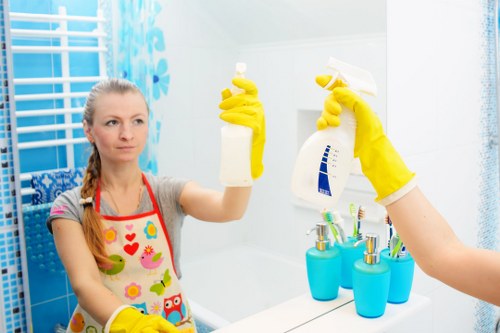
Deep cleaning is a thorough cleaning process that targets hidden buildup and neglected areas in a home or business. While standard cleaning focuses on visible surfaces and daily messes, deep cleaning goes much further. It involves detailed scrubbing, sanitizing, degreasing, dust removal, and careful attention to places that are not usually cleaned every week.
This type of cleaning is often performed less frequently, but it has a powerful impact. A proper deep clean can refresh bathrooms, kitchens, bedrooms, living rooms, and utility spaces in a way that routine cleaning simply cannot match. It may also include tasks such as cleaning baseboards, ceiling fans, vents, light fixtures, window tracks, grout lines, and the spaces behind large furniture.
For many homeowners, deep cleaning in homes becomes necessary after a period of heavy use, seasonal change, illness, or before major events. It is the kind of cleaning that resets a space and makes regular maintenance easier afterward.
Why Deep Cleaning Matters

There are many reasons why deep cleaning is worth the effort. First, it supports a cleaner and more comfortable living environment. Dust, pet hair, food residue, soap scum, and hidden debris can build up slowly, creating dull surfaces and unpleasant odors. A deep cleaning session removes these layers and restores freshness.
Second, deep cleaning can improve wellness. Homes naturally collect allergens, bacteria, and airborne particles, especially in carpets, upholstery, vents, and hard-to-reach corners. A detailed cleaning routine helps reduce these irritants, which may benefit people with allergies, asthma, or sensitivities. Deep cleaning services are often chosen for this reason alone.
Third, deep cleaning helps protect your belongings and surfaces. Grease on kitchen cabinets, mineral deposits in bathrooms, and dust around electronics can all cause damage over time. By investing in regular deep cleaning, you extend the life of fixtures, finishes, fabrics, and appliances.
Key benefits of deep cleaning
- Removes hidden dirt and buildup
- Improves the look and smell of the space
- Supports better hygiene and healthier air
- Helps surfaces last longer
- Makes ongoing cleaning easier
Deep Cleaning vs. Regular Cleaning

It is easy to confuse regular cleaning with deep cleaning, but the two serve different purposes. Regular cleaning is the routine maintenance that keeps a home presentable. It includes tasks like sweeping, vacuuming, wiping counters, washing dishes, and sanitizing common surfaces. These tasks are usually done weekly or even daily.
Deep cleaning, on the other hand, is more detailed and labor-intensive. It is designed to reach areas that routine cleaning skips. For example, regular cleaning might include wiping a bathroom sink, while deep cleaning would also cover grout, faucet bases, drains, tile corners, behind the toilet, and the underside of cabinets.
Think of regular cleaning as maintenance and deep cleaning as restoration. One keeps things under control, while the other resets the environment. Both matter, but deep cleaning in homes is the step that often creates the biggest visual and hygienic transformation.
Simple comparison
- Regular cleaning: quick, frequent, surface-level upkeep
- Deep cleaning: detailed, less frequent, intensive cleaning
- Best result: using both together for long-term cleanliness
When Should You Schedule Deep Cleaning?

There is no single rule for how often a space should be deep cleaned, because it depends on household size, lifestyle, pets, climate, and the amount of daily traffic in the home. However, many people benefit from scheduling deep cleaning at least a few times each year.
Seasonal deep cleaning is especially popular because it creates a natural reset point. Spring and fall are common times to focus on windows, vents, fabrics, storage areas, and overlooked dust buildup. You may also need a deep clean before or after major events, after renovations, when moving into a new home, or after a long period of neglect.
Some common signs that it is time for a deep clean include persistent odors, visible dust in hidden places, buildup on kitchen and bathroom surfaces, and a general feeling that the space is not as fresh as it should be. If routine tasks are no longer enough, a deeper approach is the right next step.
Common deep cleaning triggers
- Seasonal home refresh
- Moving in or moving out
- Before or after guests visit
- After illness or recovery
- Following renovations or repairs
- Heavy pet activity or child activity
Room-by-Room Deep Cleaning Breakdown
A successful deep cleaning plan works best when broken down by room. Each area in the home has its own cleaning priorities, and focusing on one room at a time helps keep the process manageable. A methodical approach also ensures that nothing important is missed.
Before starting, it helps to declutter surfaces and gather the right supplies. Microfiber cloths, disinfectant, all-purpose cleaner, a scrub brush, vacuum attachments, sponges, and gloves are commonly used during a deep clean. For best results, work from top to bottom and dry areas before moving to wet cleaning tasks.
Below is a practical look at how deep cleaning in homes can be organized by room, with special attention to the most commonly neglected areas.
Kitchen deep cleaning
The kitchen often requires the most intensive work because it collects grease, food particles, spills, and sticky residue. A kitchen deep cleaning should include cabinet fronts, appliance exteriors, the inside of the microwave, stove grates, backsplash tiles, sink drains, and under countertops.
- Clean inside and outside of the refrigerator
- Degrease the range hood and stove area
- Wipe cabinet handles and doors
- Scrub sink fixtures and drains
- Remove crumbs from drawers and shelves
Pay close attention to appliances, because built-up grime can affect both appearance and performance. A thorough kitchen deep clean often makes the entire home feel cleaner.
Bathroom deep cleaning
Bathrooms need detailed cleaning because moisture encourages soap scum, mildew, mineral buildup, and bacteria. A deep cleaning session should cover toilets, tile, grout, tubs, showers, mirrors, sinks, faucets, exhaust fans, and baseboards.
- Scrub grout and tile corners
- Clean behind and around toilets
- Remove soap scum from glass and shower doors
- Disinfect high-touch handles and switches
- Wash bath mats and wipe storage surfaces
Bathrooms may require extra time, but the results are usually dramatic. A fresh bathroom sets a better tone for the rest of the home.
Bedroom deep cleaning
Bedrooms should feel restful, but dust often collects in areas that are rarely touched. During deep cleaning, focus on under the bed, headboards, lamps, closet shelves, window ledges, and bedding layers. Vacuum mattresses, wash pillows when appropriate, and dust furniture edges and corners.
- Rotate and vacuum the mattress
- Clean closet floors and shelving
- Dust blinds, curtain rods, and baseboards
- Wash bedding, blankets, and pillow covers
- Move furniture to remove hidden dust
Because bedrooms are used every night, even small amounts of dust can build up quickly. Regular upkeep combined with periodic deep cleaning in homes helps maintain a calmer sleep environment.
Living room deep cleaning
Living rooms are high-traffic spaces where dust, pet hair, fingerprints, and crumbs can accumulate. Deep cleaning this area means vacuuming upholstery, cleaning under cushions, wiping entertainment units, dusting shelves, and paying attention to vents and corners.
- Vacuum sofas and chairs thoroughly
- Dust electronics and cords carefully
- Clean coffee tables, side tables, and decor surfaces
- Wash throw blankets and pillow covers
- Vacuum or mop under furniture
A deep clean in the living room often improves both comfort and appearance instantly. It is one of the best places to notice visible improvement after a detailed cleaning session.
Tools and Supplies for Effective Deep Cleaning
Using the right tools can make deep cleaning more efficient and far less frustrating. While professional cleaning teams may use specialized equipment, most households can achieve strong results with a well-chosen set of basic supplies. The goal is to clean thoroughly while saving time and avoiding damage to surfaces.
Common tools include microfiber cloths, a high-quality vacuum, a mop, scrub brushes, sponges, disinfecting wipes, a bucket, and a step stool. For stubborn buildup, you may also need degreasers, bathroom cleaners, glass cleaner, and surface-safe disinfectants. Choosing the right product for the job matters, especially on stone, wood, stainless steel, and tile.
Deep cleaning services often rely on an organized process, and homeowners can do the same. Keep supplies grouped by room or task so you can move efficiently without stopping to search for materials.
Useful supply checklist
- Microfiber cloths
- Vacuum with attachments
- Mop and bucket
- Scrub brush and grout brush
- All-purpose cleaner
- Bathroom disinfectant
- Glass cleaner
- Rubber gloves
- Trash bags
Tip for better results
Always read product labels before using cleaners on delicate surfaces. A smart deep cleaning routine protects both your home and your investment in it.
How to Build a Smart Deep Cleaning Routine
A good routine makes deep cleaning in homes much easier to manage. Instead of trying to clean everything at once, break the job into phases. For example, you might focus on the kitchen one week, bathrooms the next, and bedrooms or living spaces after that. This reduces fatigue and helps keep the process realistic.
Many people also prefer to combine deep cleaning with seasonal organizing. When you clear out clutter first, you can clean more effectively and avoid cleaning around items that no longer need to be kept. That is why decluttering and deep cleaning often go hand in hand.
A practical schedule might include monthly touch-ups, quarterly room-by-room sessions, and one or two major deep cleaning days each year. The exact plan should match your lifestyle and the level of activity in your household.
Example deep cleaning schedule
- Monthly: baseboards, vents, ceiling fans, and hidden dust
- Quarterly: kitchen appliances, bathroom grout, upholstery, windowsills
- Seasonally: closets, storage, carpets, windows, and under-furniture areas
- As needed: after events, spills, illness, or renovations
Sticking to a schedule makes each session easier and prevents dirt from building up to the point where the job becomes overwhelming.
Deep Cleaning Tips for Better Results
There are several ways to improve the efficiency and quality of your deep clean. One of the most important is to work top to bottom. Dust and debris fall downward, so cleaning upper surfaces first prevents rework later. Another helpful strategy is to clean dry dust before using liquids, which keeps grime from becoming muddy or spread around.
Time management also matters. Set a timer for each room or task so you stay focused and avoid spending too long on one section. If you are handling a whole-house deep cleaning, take breaks and drink water. This helps maintain energy and attention to detail.
Finally, use the right technique for each surface. Scrub grout gently but thoroughly, avoid overly wet cloths on wood, and clean glass in a streak-free motion. Thoughtful technique can make a major difference in both appearance and durability.
Professional-level habits
- Start with decluttering
- Work room by room
- Move from high surfaces to low surfaces
- Use separate cloths for different areas
- Allow disinfectants to sit for the recommended time
- Finish by vacuuming and mopping floors
Why Many People Choose Professional Deep Cleaning Services
While some homeowners prefer to handle the work themselves, others choose deep cleaning services for convenience, expertise, and time savings. Professional cleaners usually bring efficient methods, specialized tools, and a trained eye for areas that need extra attention. This can be especially helpful for busy families, older adults, landlords, and people preparing a property for sale.
Professional deep cleaning is also useful when the job is too large to complete alone or when the home has not been cleaned thoroughly in a long time. A professional team can handle detailed tasks more quickly and help restore the space to a cleaner, more comfortable condition.
Even if you prefer DIY cleaning most of the time, outsourcing a major deep clean a few times a year can be a practical solution. It gives your home a reset and frees you from the pressure of doing everything yourself.
Situations where professional help makes sense
- Large homes with multiple floors
- Time-sensitive move-in or move-out cleaning
- Post-renovation dust and debris
- Heavy buildup in kitchens and bathrooms
- Limited time or mobility
SEO-Focused Reasons Deep Cleaning Is in High Demand
Search interest in deep cleaning continues to grow because people are more aware of hygiene, indoor air quality, and long-term home care. Homeowners frequently search for topics like deep cleaning in homes, deep cleaning services, seasonal cleaning, and apartment deep cleaning because these terms reflect real household needs.
From an SEO perspective, this topic works well because it addresses practical concerns, common pain points, and service-related intent. People are not only looking for definitions; they want actionable steps, pricing logic, room-by-room checklists, and reasons to schedule a service. That is why content about deep cleaning tends to perform strongly in search results when it is informative, structured, and easy to read.
Natural keyword variations also help improve visibility. Phrases like house deep cleaning, home deep clean, deep clean checklist, and professional deep cleaning support search relevance without sounding repetitive. When used thoughtfully, these variations make content more discoverable and more useful to readers.
Useful related search phrases
- deep cleaning in homes
- professional deep cleaning
- house deep cleaning
- home deep clean
- deep clean checklist
- deep cleaning services
Final Thoughts on Deep Cleaning
Deep cleaning is one of the best ways to restore a space, improve hygiene, and create a more pleasant place to live. It goes far beyond everyday tidying by targeting hidden dust, grime, and buildup in every part of the home. When done regularly, it helps preserve surfaces, reduce allergens, and make ongoing upkeep much easier.
Whether you are handling the work yourself or considering deep cleaning services, the key is consistency and attention to detail. A structured approach, the right supplies, and clear room-by-room priorities can turn a big task into a manageable one. Even a few well-executed sessions each year can produce lasting benefits.
If your home is due for a reset, now is the right time to act. Book your service now or start building your own deep cleaning plan today. Contact us today to take the next step toward a fresher, cleaner, and more comfortable home environment.