Communal Area Cleaning: Creating Safer, Fresher Shared Spaces
Communal area cleaning is one of the most important parts of maintaining a healthy, attractive, and well-functioning building. Whether it is an apartment block, residential complex, office building, student housing, or mixed-use property, shared spaces are the first areas people notice and the places that shape daily comfort. From entrance halls and stairwells to corridors, lifts, reception zones, and shared amenities, communal area cleaning helps protect hygiene, improve appearance, and support a positive experience for everyone who uses the building.
When communal spaces are cleaned regularly and properly, they do more than look tidy. They reduce slip hazards, remove dust and bacteria, prevent unpleasant odours, and create a sense of order that reflects well on the property itself. In many settings, shared area cleaning is also linked to tenant satisfaction, visitor impressions, and even long-term maintenance costs. A well-kept communal environment can make a building feel welcoming, safe, and professionally managed.
Because these spaces are used by many different people each day, they collect dirt faster than private areas. Foot traffic, spilled drinks, fingerprints, litter, mud, and airborne dust all build up quickly. That is why communal area cleaning services need a consistent plan, the right products, and trained staff who understand how to work efficiently without disrupting residents or businesses. In this article, we explore the value of communal cleaning, the tasks involved, the benefits for property owners, and what to expect from a reliable cleaning approach.
Why Communal Area Cleaning Matters
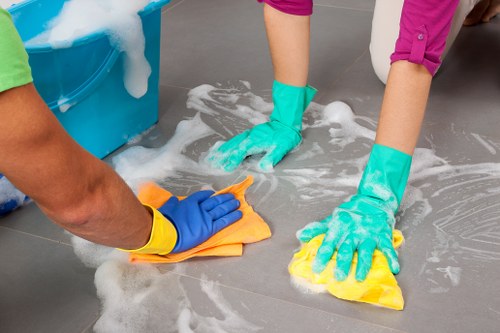
Communal area cleaning matters because shared spaces are high-traffic environments that affect everyone in the building. These areas are used multiple times a day and often serve as the first point of contact for residents, staff, clients, contractors, and guests. If they are neglected, the entire property can appear poorly managed, even if individual units or offices are spotless. A clean communal environment sends a strong signal that the building is cared for and that the people responsible for it value comfort and safety.
Another major reason communal area cleaning is so important is hygiene. Shared handrails, door handles, lift buttons, switches, and lobby surfaces can harbour germs when they are not regularly sanitised. Dust accumulation can also affect air quality and trigger discomfort for people with allergies or respiratory sensitivities. Proper cleaning helps reduce these problems and supports a healthier space for all users.
There is also a financial aspect. Regular communal area cleaning can help protect flooring, carpets, paintwork, windows, and fixtures from premature wear. Dirt that sits too long can stain surfaces or cause long-term damage. By keeping common areas in good condition, property managers can reduce repair and replacement expenses over time. Clean shared spaces are not just visually appealing; they are a practical investment in the building’s upkeep.
What Communal Area Cleaning Typically Includes
Every property is different, but most communal area cleaning routines cover a core set of tasks designed to keep shared spaces tidy, hygienic, and safe. These tasks may be carried out daily, several times per week, or on a customised schedule depending on building size and usage.
Common responsibilities in communal area cleaning include:
- Vacuuming and sweeping corridors, hallways, and lobbies
- Mopping hard floors and treating spills promptly
- Cleaning and polishing entrance glass and internal windows
- Dusting ledges, skirting boards, mail areas, and decorative surfaces
- Sanitising door handles, light switches, handrails, and lift controls
- Removing litter, leaves, and debris from entrances and shared walkways
- Cleaning stairwells, landing areas, and fire exit routes
- Maintaining reception areas, waiting zones, and communal seating
- Refreshing bins and waste points in shared spaces
In many buildings, shared space cleaning also includes more detailed work such as removing cobwebs, cleaning wall marks, attending to lift interiors, and checking that floors remain dry and safe. In residential properties, communal area cleaning may extend to bicycle storage rooms, bin stores, laundry areas, and shared lounges. In commercial properties, it may also involve meeting rooms, toilets, and customer-facing entry spaces. The exact scope should always be matched to the needs of the building.
Benefits of Regular Communal Area Cleaning
A cleaner first impression
First impressions matter, and shared areas are often the first thing people see. A tidy entrance, clean floor, and fresh-smelling corridor create confidence and comfort from the start. This is particularly important in apartment blocks, offices, healthcare-adjacent buildings, student accommodation, and hospitality spaces where presentation influences how the property is perceived. Professional communal area cleaning helps keep those first impressions consistently positive.
Safer walkways are another key benefit. Dirt, debris, wet patches, and clutter can create hazards, especially in stairwells or polished floor areas. Regular cleaning helps reduce the risk of slips, trips, and falls, which is important for residents of all ages and abilities. Proper cleaning routines also make it easier to spot issues such as damaged flooring, broken lights, or blocked exits.
Improved hygiene and wellbeing
Shared surfaces are touched by many hands every day. With regular cleaning and disinfection, communal area cleaning can help lower the spread of germs and contribute to a healthier environment. This is especially valuable during flu season, in busy buildings, and in spaces where people come and go throughout the day. Good hygiene practices support wellbeing and help occupants feel more comfortable using communal facilities.
Cleanliness also affects mood and behaviour. People tend to respect and care for spaces that are already well maintained. When communal areas are organised and free from visible grime, residents and visitors are more likely to keep them tidy. In this way, communal cleaning services can encourage a positive cycle of shared responsibility.
From an operational perspective, regular cleaning can make inspections easier and reduce complaints. Property managers and building owners benefit from fewer issues relating to odour, dust, waste, and surface build-up. Over time, the whole property can run more smoothly when communal area cleaning is handled properly and consistently.
Key Areas That Need Attention in Shared Spaces
Not all communal areas are the same, but some zones need more attention than others because they are used more frequently or are more visible. Knowing which places require the most care helps create a better cleaning plan.
Entrances and reception areas
Entrances collect dirt quickly because they are the gateway to the building. Reception desks, welcome areas, and foyer floors need frequent attention to remove dust, footprints, and exterior debris. Glass doors and internal windows should be cleaned regularly to maintain clarity and brightness. In many buildings, the entrance sets the tone for the entire experience, so communal area cleaning should always begin here.
Corridors and hallways
Corridors are high-traffic routes that require routine sweeping, vacuuming, and mopping. Walls, skirting boards, and hand contact points often need extra care because scuffs and fingerprints are common. If the hallways are carpeted, vacuuming should be thorough and frequent enough to prevent dust from building up in the fibres.
Stairwells and landings
Stairwells often get overlooked, but they are essential parts of communal cleaning. They need safe, dry floors, clean handrails, and clear landings. Stair edges and corners can gather dirt and cobwebs, while poorly lit stairwells can look neglected quickly if not maintained. Shared area cleaning in staircases is especially important for safety and presentation.
Lifts and lift lobbies
Lifts are touched repeatedly throughout the day, so they need regular sanitising. Buttons, handrails, mirrors, walls, and door surfaces should all be wiped down with appropriate products. Lift lobbies also need vacuuming or mopping and should remain free from litter and smudges. Because lifts are enclosed spaces, cleanliness strongly influences how fresh and pleasant they feel.
Waste and bin areas
Communal waste points can become unhygienic if they are not managed properly. Bin stores, recycling areas, and refuse collection points should be kept clean, deodorised, and free from spillages. A good communal area cleaning routine includes checking around bins for residue, litter, and leakage to prevent pests and unwanted smells.
How Professional Communal Area Cleaning Works

Professional communal area cleaning usually begins with a site assessment. This helps identify the building’s layout, traffic flow, flooring types, and any special requirements such as access times or security procedures. A tailored cleaning schedule can then be created so each area gets the right level of attention without interfering with residents or staff.
The cleaning process often follows a structured method. High-contact surfaces may be sanitised first, followed by sweeping or vacuuming, and then floor mopping or machine cleaning where needed. Restocking consumables, checking waste points, and reporting damage or maintenance concerns may also be part of the service. This structured approach ensures that communal area cleaning remains efficient and consistent.
Trained cleaners also know how to adapt their methods to different materials and surfaces. For example, polished stone floors require different treatment than carpeted hallways, and stainless steel fixtures need different products than painted walls. Using the wrong chemical or technique can dull a surface or cause avoidable damage. Professional cleaners understand these details and work carefully to protect the building’s finishes.
Flexible schedules for different properties
Some buildings need daily cleaning, while others may only require service two or three times a week. Large apartment complexes, office towers, and student residences usually need more frequent attention than smaller properties. A flexible schedule ensures that communal area cleaning fits the building’s actual usage and peak traffic times. This can help keep standards high without wasting resources.
Evening or early-morning cleaning is often preferred in commercial buildings so that cleaning can happen with minimal disruption. Residential blocks may benefit from daytime visits when access is easier and waste can be removed more efficiently. The best schedule is one that suits the property’s rhythm and keeps shared areas looking their best throughout the week.
Choosing the Right Communal Area Cleaning Approach
Selecting the right approach to communal area cleaning depends on the size of the property, the number of occupants, and the level of foot traffic. A small building may only need a straightforward routine, while a larger site may require multiple daily visits, specialist equipment, and additional oversight. The most effective cleaning plan is always the one built around actual conditions rather than a one-size-fits-all template.
One important factor is consistency. Occasional deep cleaning is useful, but it cannot replace regular maintenance. Shared spaces need ongoing care to prevent dirt from settling in and becoming harder to remove. Consistency also supports trust, because residents and property users notice when standards remain stable. Reliable communal area cleaning services help maintain that consistency over time.
Another factor is communication. A good cleaning arrangement should allow for clear reporting of issues such as broken fixtures, blocked vents, or persistent spillages. While cleaners are not always responsible for repairs, they are often the first to notice when something is wrong. This makes communal cleaning an important part of broader building management.
What to look for in a cleaning provider
- Experience with residential and commercial shared spaces
- Flexible service schedules and tailored cleaning plans
- Trained staff who understand surface care and hygiene standards
- Reliable attendance and consistent quality control
- Ability to handle high-touch sanitising and general upkeep
- Clear procedures for waste, safety, and reporting issues
Choosing a provider with the right experience can make a significant difference to the appearance and maintenance of the property. It also reduces the burden on building managers and helps ensure that cleaning is handled professionally rather than informally. If a building has high standards, the cleaning approach should reflect that.
Communal Area Cleaning in Residential Buildings
Apartment blocks and housing estates
In residential buildings, communal area cleaning has a direct impact on how people feel about their home environment. Residents want corridors, stairwells, entrances, and lifts to be clean, safe, and pleasant to use every day. Poor cleaning can lead to complaints, frustration, and a sense that the property is not being looked after properly. By contrast, well-maintained shared spaces help create pride in the building and encourage respect among residents.
Residential communal areas often include more than just hallways and doors. Depending on the property, cleaning may also cover lobby furniture, internal windows, noticeboards, communal laundry rooms, cycle stores, and rubbish areas. Seasonal challenges such as mud in winter, pollen in spring, and increased litter in summer can all affect the cleaning routine. A responsive shared area cleaning plan takes these changes into account.
For housing managers and landlords, investing in regular communal area cleaning can also reduce the risk of escalation in tenant complaints. When shared areas are clean and well presented, the building is easier to manage and more enjoyable to live in. This can contribute to better tenant retention and improved community standards.
The role of presentation in occupied buildings
In occupied buildings, presentation is not a luxury; it is part of daily quality of life. Residents often judge the overall care of a building by the condition of its communal spaces. Freshly cleaned floors, clear glass, and tidy corners suggest that the property is in good hands. That is why communal area cleaning is such a valuable part of residential property management.
Communal Area Cleaning in Commercial and Mixed-Use Sites
Offices, retail, and shared business spaces
Commercial and mixed-use properties have their own demands. Offices, reception areas, retail corridors, and shared toilets can see heavy foot traffic and must remain clean to support professionalism and comfort. In these environments, communal area cleaning is closely linked to brand image, productivity, and staff wellbeing. A clean building helps create a positive atmosphere for employees and visitors alike.
In mixed-use sites, the challenge is balancing different user groups. Residents, office workers, customers, and service teams may all share the same entrances or walkways. This makes scheduling and consistency especially important. Communal area cleaning must be responsive enough to handle varying usage levels while staying discreet and efficient.
Commercial properties may also require attention to lifts, shared kitchens, washrooms, break areas, and access routes. The aim is to reduce disruption while ensuring every visible space remains clean and presentable. In many cases, professional cleaners help keep the building compliant with hygiene expectations and health and safety standards.
Why daily upkeep often pays off
Daily upkeep can be more cost-effective than reactive cleaning because small issues are dealt with before they become large problems. Dust does not have time to build up, floors remain safer, and high-touch points stay cleaner. For busy buildings, this steady approach is one of the most practical ways to keep shared spaces in good condition.
Best Practices for Long-Term Shared Space Cleanliness
Long-term cleanliness is not only about having cleaners on site. It also depends on smart planning, cooperation, and routine monitoring. A strong communal area cleaning programme should include regular checks, clear responsibilities, and realistic expectations about how quickly different spaces get dirty. Buildings with high traffic or frequent deliveries may need more attention than quieter sites.
Some best practices include:
- Using a cleaning schedule matched to the building’s usage
- Focusing on high-touch points and high-traffic routes
- Addressing spills and hazards immediately
- Choosing suitable products for each floor and surface type
- Recording maintenance issues as soon as they are noticed
- Reviewing cleaning frequency during seasonal changes
It also helps to keep the relationship between cleaners, managers, and occupants straightforward. When everyone understands the purpose of communal area cleaning, standards are easier to maintain. Clear signage, sensible waste disposal points, and cooperation from users all support better results. Clean spaces are always easier to preserve when the whole building works together.
Why Communal Area Cleaning Should Be a Priority
Communal area cleaning should be treated as a priority because it influences health, safety, appearance, and satisfaction all at once. It is one of those services that may be taken for granted when done well, but quickly noticed when neglected. A clean shared environment supports daily life, protects property value, and reduces avoidable problems for everyone involved.
Whether the property is residential, commercial, or mixed-use, the benefits are clear. Fewer hazards, better hygiene, improved presentation, and stronger long-term upkeep all come from regular, professional communal area cleaning. It is a practical service with visible results, and it plays a major role in how a building functions and feels.
If you want your building to make the right impression and stay in excellent condition, now is the time to act. Book your service now and give your shared spaces the attention they deserve. Contact us today to arrange a cleaning plan that suits your property and keeps every communal area fresh, safe, and welcoming.