Elizabeth Street carpet cleaning guide for boutique flats
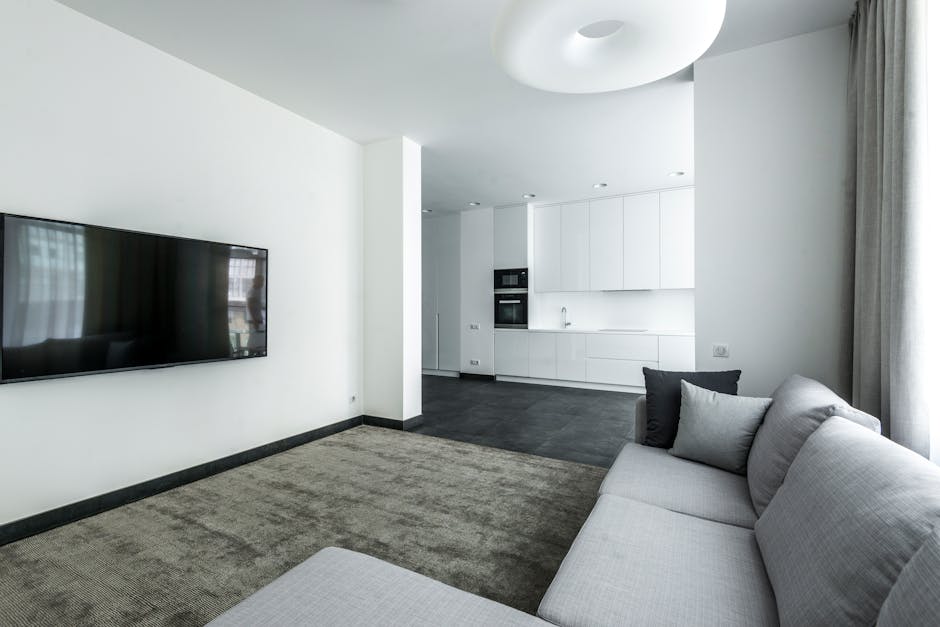
Boutique flats on Elizabeth Street have a certain feel about them: polished floors, carefully chosen fabrics, narrow hallways, and carpets that need to look immaculate without losing their character. That makes carpet care a little less straightforward than in a standard flat. The wrong method can flatten pile, leave damp patches, or make a refined room smell faintly of detergent for days. Not ideal.
This Elizabeth Street carpet cleaning guide for boutique flats is designed to help you clean more intelligently, whether you are maintaining a stylish home, preparing for guests, or sorting out a one-off deep clean after a busy season. You will find practical steps, common mistakes, method comparisons, and the kind of small, real-world advice that makes a difference when space is tight and finishes are delicate.
To be fair, carpet cleaning in boutique flats is rarely just about removing dirt. It is about protecting appearance, keeping the flat pleasant to live in, and making sure the work fits around the building, your neighbours, and your schedule. Let's walk through the part people often skip: what works, what does not, and why the details matter.
- Why this matters in boutique flats
- How carpet cleaning works in practice
- Benefits for owners, tenants, and hosts
- Who needs this guide and when
- Step-by-step cleaning guidance
- Expert tips for better results
- Mistakes to avoid
- Tools and recommendations
- Best practice, safety, and compliance
- Methods compared
- Real-world example
- Practical checklist
- Conclusion
- Frequently asked questions
Why Elizabeth Street carpet cleaning guide for boutique flats Matters
Boutique flats usually have a higher visual standard than the average rental or family home. Carpets are part of that first impression. In a compact London flat, they are also used hard: shoes coming and going, luggage wheels in hallways, occasional food spills, pet hair, and the lovely mystery marks that appear when no one quite remembers what happened.
On Elizabeth Street, where many homes are smaller and more refined in layout, carpet cleaning matters because every room does a lot of work. A single stained landing or dull lounge carpet can drag down the feel of the whole space. It is not just a cleaning issue; it is a presentation issue.
There is also the practical side. Carpet fibres trap dust, grit, and odours. In flats with limited ventilation, that build-up becomes noticeable faster. If you have ever opened the door after a few warm days and caught that slightly stale, dusty scent, you know exactly what I mean. Not a disaster, but not exactly boutique.
Regular carpet care also helps protect the carpet investment itself. Fine wool blends, loop piles, and low-profile designer carpets can look elegant for years when treated properly. Aggressive scrubbing or over-wetting, though, can shorten their life surprisingly fast.
If you are keeping a flat in top condition for long-term living, you may also want to pair carpet care with regular cleaning so dust and surface soil do not build up between deeper cleans. And if the whole flat needs a reset, a deep cleaning service can be a sensible companion to carpet work.
Expert summary: In boutique flats, carpet cleaning is about more than stain removal. It is about protecting texture, controlling odour, keeping rooms visually calm, and using methods that suit smaller, more delicate interiors.
How Elizabeth Street carpet cleaning guide for boutique flats Works
At its simplest, carpet cleaning removes soil from the fibres and backing before it becomes embedded. The method you choose depends on the carpet type, the room's use, and how much drying time you can realistically allow. That last bit matters more than people think. A clean carpet that stays damp too long becomes a problem of its own.
Most professional and well-managed DIY carpet cleaning follows the same broad logic:
- Inspect the carpet for fibre type, wear, stains, and risk areas.
- Vacuum thoroughly to remove loose grit and debris.
- Pre-treat spots so stubborn marks soften before the main clean.
- Apply the chosen method carefully and evenly.
- Extract or lift soil without over-wetting the fibres.
- Speed up drying with airflow and sensible room use.
- Check the finish once dry for any remaining marks or reappearing stains.
That sounds simple, but in boutique flats the real skill is restraint. A little product, a measured amount of moisture, and careful agitation are usually better than going in heavy-handed. More chemical is not more clean. More water is not more clean either. Annoying, but true.
For example, a velvet-like carpet in a reception room may need a low-moisture approach, while a small bedroom carpet with everyday foot traffic may tolerate a more thorough extraction clean. If you are unsure, it is safer to err on the gentle side and test first in a hidden corner.
Some flats also have a mix of carpeted bedrooms and hard-floored living areas. That calls for a tailored cleaning routine. If you need a broader reset for the flat, especially after moving in or before handing back keys, services such as move-in cleaning or move-out cleaning can help cover the wider job around the carpets.
Key Benefits and Practical Advantages
Good carpet cleaning gives you more than a visible improvement. It changes how the flat feels to live in. People notice that immediately, even if they cannot quite put their finger on why.
- Better presentation: carpets look brighter, neater, and more in keeping with a boutique interior.
- Improved odour control: trapped smells from cooking, rain, pets, or everyday living are reduced.
- Longer carpet life: removing grit lowers fibre abrasion and helps prevent that flattened, tired look.
- Better hygiene: dust, pollen, and fine debris are reduced, which is helpful in smaller spaces.
- More comfortable living: a clean carpet simply feels nicer underfoot, especially in bedrooms.
- Better inspection readiness: useful for landlords, tenants, and hosts preparing for guests or check-out.
There is also a less obvious benefit: confidence. If you know the carpets are properly cared for, the rest of the flat somehow feels easier to manage. That sounds a bit fluffy, maybe, but it is real. Clean carpets make a room look intentional.
If your boutique flat also includes rugs, upholstery, or a statement sofa, keeping those surfaces in the same condition helps the whole home feel coherent. That is where rug cleaning, sofa cleaning, and upholstery cleaning fit naturally into the picture.
Who This Is For and When It Makes Sense
This guide is especially useful if you are any of the following:
- a flat owner keeping a boutique property looking polished
- a tenant trying to protect a deposit or leave the flat in strong condition
- a landlord maintaining a high-end rental
- a host managing a stylish short-let or guest-ready apartment
- a property manager looking after a small number of premium flats
It makes sense to clean carpets when:
- they look dull even after vacuuming
- there are visible stains, traffic lanes, or localised marks
- the flat smells slightly stale after being closed up
- you are preparing for guests, viewings, or a move
- there has been a spill, pet incident, or muddy footwear problem
- the carpet has not had a proper clean in months, or longer
In boutique flats, timing matters as much as method. A clean before a dinner party or inspection has a different purpose from a maintenance clean in the middle of winter. In January, for instance, carpets near entrances tend to pick up more damp grit and salt residue. That tiny bit of seasonal context can save you from cleaning the wrong area first.
Step-by-Step Guidance
If you are cleaning the carpets yourself, here is a careful, practical process that works well for smaller London flats.
1. Identify the carpet type first
Check whether the carpet appears to be wool, synthetic, blended, or a delicate loop pile. If you are not sure, assume it is more delicate than it looks. That sounds cautious, but it is a good habit. Different fibres respond differently to moisture, agitation, and cleaning agents.
2. Clear the room properly
Move lightweight furniture out of the way and protect any remaining items with foil pads or blocks if needed. In a boutique flat, you often have less space to work with, so the room can feel awkwardly compact for a while. Still, it is worth doing properly rather than trying to clean in little patches around chairs.
3. Vacuum slowly and thoroughly
Go over the carpet in overlapping passes. Lift the vacuum head slightly for thicker pile, and use attachments near skirting boards, edges, and under radiators. A surprising amount of grit hides in those places, and grit is the quiet enemy of carpet fibres.
4. Spot-test any cleaner
Before applying a solution across the room, test it in a hidden corner. Wait for it to dry. Look for colour change, texture change, or residue. If the carpet reacts badly, stop there and choose a gentler approach.
5. Pre-treat visible marks
Use a targeted pre-treatment on stains rather than flooding the area. Press, blot, or lightly agitate according to the product instructions. Never rub aggressively. Rubbing tends to spread the stain and roughen the pile, which is exactly the opposite of what you want.
6. Clean the main carpet area
Choose a method that matches the carpet and the drying time available. For many boutique flats, low-moisture or extraction cleaning is preferable because it reduces the risk of lingering damp. If you are using a machine, keep the passes even and avoid repeatedly soaking the same patch.
7. Rinse or extract properly
Leaving residue behind can attract dirt faster. If the carpet feels sticky once dry, too much product may have been used. The aim is a fresh, soft finish, not a soapy one. Honestly, no one wants a carpet that feels like a half-finished science experiment.
8. Dry with airflow
Open windows where practical, use fans if available, and avoid replacing heavy furniture until the carpet is dry. In smaller flats, drying can be slower because the air has less room to move. Give it a bit of patience.
9. Final check and grooming
Once dry, inspect for missed spots, lingering marks, or pile distortion. A carpet groomer or soft brush can help restore the pile's direction and make the finish look more even.
Expert Tips for Better Results
These are the small things that tend to separate a decent clean from a genuinely good one.
- Work from the cleanest area to the dirtiest so you do not spread soil around.
- Use less solution than you think; over-application is one of the most common causes of residue.
- Blot, do not scrub when treating stains. Scrubbing looks productive and often is not.
- Watch for wicking, where a stain reappears after drying. If that happens, treat it again lightly after the first pass dries.
- Keep shoes off the carpet during drying so you do not undo half the work in ten minutes.
- Schedule cleaning when you can ventilate the flat, ideally with a few hours to spare. Late evening cleans can be a bit awkward if you need windows open.
In our experience, one of the best habits is simple: vacuum more often than you clean deeply. It sounds obvious, but it really changes how the carpet ages. And it saves time later, which is always welcome in a flat where storage is at a premium and the hoover lives in a tight cupboard next to everything else.
If your carpet is part of a broader property refresh, you may also want to look at one-off cleaning for a reset rather than trying to tackle the whole place piecemeal.
Common Mistakes to Avoid
Most carpet problems in boutique flats do not come from lack of effort. They come from overdoing the wrong thing.
- Using too much water: this can leave carpets damp underneath, slow drying, and create odours.
- Skipping the vacuum: if you do not lift loose grit first, it turns into mud during cleaning.
- Using the same method for every carpet: wool, synthetic, and loop pile all behave differently.
- Rubbing stains hard: that can distort fibres and make the area look fuzzy.
- Ignoring drying time: a clean that stays wet can become a much bigger headache.
- Using too much fragrance: strong perfumes can mask problems rather than solve them.
- Cleaning only the obvious spot: the surrounding area often needs attention too, or you end up with a tidy circle in a dirty carpet. Not a great look.
One small but common mistake in Elizabeth Street-style flats is forgetting the edges. The centre of the room may look fine, while the skirting line holds years of dust. People walk past it daily and never notice. Then suddenly, they do.
Tools, Resources and Recommendations
You do not need a room full of professional equipment to improve carpet condition, but the right basics make a big difference.
| Tool or resource | Best for | Why it helps |
|---|---|---|
| Quality vacuum cleaner | Routine maintenance | Removes grit before it wears the fibres down |
| Stain blotting cloths | Spills and spot treatment | Helps lift liquid without pushing it deeper |
| Soft carpet brush | Pile grooming and spot agitation | Restores appearance without harsh scrubbing |
| Carpet cleaning machine | Deeper cleans in suitable carpets | Can extract more soil when used carefully |
| Fans or open windows | Drying | Helps prevent long damp periods |
| Protective pads for furniture | Post-clean resetting | Stops legs marking damp carpet |
For recurring maintenance, a combined schedule with house cleaning can be useful because carpets stay in better shape when dust, crumbs, and surface soil are controlled regularly. If the flat is used for guests, airbnb cleaning may be more relevant, especially if turnaround time is tight.
And if the rest of the flat needs a clear-out level refresh after a build or refurb, after builders cleaning can remove the dust that tends to settle back onto carpets almost immediately. Builders' dust has a way of getting everywhere. Everywhere.
Law, Compliance, Standards, or Best Practice
For most readers, the main compliance concerns are practical rather than legal. Still, a few standards of care are worth keeping in mind in the UK context.
If you are hiring a cleaning provider, you should expect sensible procedures around safety, insurance, and clear communication about what the job includes. That matters in flats with shared access, delicate finishes, or restricted cleaning times. It is reasonable to ask how equipment is used, how water is controlled, and what happens if a stain does not respond as expected.
Good practice also means checking how cleaning products are handled, especially in homes with children, pets, allergies, or sensitive ventilation. You do not need technical jargon. You do need clarity. A straightforward provider should be able to explain what they are doing in plain English.
For a transparent view of service expectations and customer protections, it can help to review pages such as insurance and safety, health and safety policy, terms and conditions, and privacy policy. If you are comparing quotes, the details on pricing and quotes can help you understand what is included and what is optional.
Environmental best practice is also relevant. In smaller flats, there is often less room to store and use lots of products, so a measured approach makes sense. Where possible, cleaning should avoid unnecessary waste, excessive packaging, and wasteful repeat treatments. If sustainability is a priority for you, the company's recycling and sustainability approach is worth a look.
Options, Methods, or Comparison Table
Different carpet-cleaning methods suit different boutique-flat situations. There is no single winner every time. The right choice depends on fibre type, stain level, and how quickly the room needs to be back in use.
| Method | Best for | Pros | Watch-outs |
|---|---|---|---|
| Vacuum-only maintenance | Routine upkeep, lightly soiled carpets | Fast, safe, no drying time | Will not remove deep stains or embedded soil |
| Spot cleaning | Fresh spills and isolated marks | Targeted, efficient, low disruption | Can leave patchy results if the surrounding area is neglected |
| Low-moisture cleaning | Delicate carpets and busy flats | Quicker drying, lower risk of over-wetting | May not suit heavily soiled carpets |
| Extraction cleaning | Deeper soil and traffic lanes | Strong soil removal, good for restoration cleans | Needs careful drying and correct technique |
| Full professional clean | High-value flats, tough stains, move-out cleans | Best balance of equipment, experience, and finish | Needs planning around access, timing, and drying |
For many boutique flats, the sweet spot is a professional or semi-professional extraction clean once or twice a year, plus routine vacuuming and quick spot treatment in between. Simple, but effective. No drama needed.
Case Study or Real-World Example
Picture a compact one-bedroom boutique flat near Elizabeth Street with a soft beige carpet in the living room, a darker runner in the hallway, and a wool-blend bedroom carpet that has seen better days. Nothing extreme. Just normal city living: a little foot traffic, a coffee spill, some dust near the skirting, and a faint stale note after the windows stayed shut for a week.
The owner started with a thorough vacuum and noticed the hallway runner looked much flatter than the bedroom carpet. That helped them decide to treat the hallway more carefully because traffic lanes were the main issue there. The coffee stain was pre-treated rather than scrubbed, which mattered because the fibres were fine and would have looked rough if handled aggressively.
After cleaning, the owner kept windows open for the afternoon and avoided moving the sofa back until the carpet was fully dry. The result was not flashy, just quietly better. The room felt lighter. The carpet colour looked more even. Most importantly, the flat stopped smelling slightly closed-in, which is a tiny thing until you live there. Then it is everything.
That kind of outcome is common when the method suits the carpet and the drying time is respected. It is the sort of clean you notice a day later when you walk in and think, ah, that feels better.
Practical Checklist
Use this checklist before you clean:
- Identify the carpet fibre and any care instructions
- Vacuum the entire area slowly and thoroughly
- Test any product on a hidden section first
- Pre-treat stains before the main clean
- Choose a method that suits drying time and carpet type
- Keep moisture controlled and even
- Open windows or use airflow where practical
- Avoid heavy furniture until the carpet is fully dry
- Check for residue, colour change, or reappearing stains
- Vacuum again once dry if the pile needs lifting
If you want the simplest rule of thumb, it is this: test first, use less water, and allow enough drying time. That alone prevents a lot of avoidable frustration.
Get a free quote today and see how much you can save.
Conclusion
The best carpet care for boutique flats is never just about making the floor look tidy for an afternoon. It is about preserving the feel of the whole home. In a place like Elizabeth Street, where finishes, proportion, and atmosphere matter, carpets deserve a careful approach rather than a rushed one.
Clean them gently. Dry them properly. Keep up with maintenance. And if the job has moved beyond a quick refresh, choose the method that suits the carpet rather than the one that sounds fastest. That one decision usually saves time, money, and a fair bit of bother.
Handled well, carpet cleaning becomes one of those quiet upgrades that makes a flat feel more composed every single day. Small effort, good payoff. Lovely, really.
Frequently Asked Questions
How often should boutique flat carpets be professionally cleaned?
It depends on foot traffic, pets, and how the flat is used. Many boutique flats benefit from a deeper clean every 6 to 12 months, with regular vacuuming in between. High-use homes may need attention sooner.
What is the safest carpet cleaning method for delicate flat carpets?
Low-moisture cleaning is often a sensible choice for delicate carpets because it reduces drying time and lowers the risk of over-wetting. That said, always test first because fibre type matters more than guesswork.
Can I clean wool carpets myself in a boutique flat?
Yes, but be cautious. Wool is more sensitive to excess moisture and harsh chemicals. Use gentle products, avoid scrubbing, and test in a hidden area before cleaning the whole carpet.
Why does my carpet smell worse after cleaning?
That usually happens when the carpet is left too damp or cleaning residue remains in the fibres. Improved ventilation and more careful extraction usually solve the issue. If not, the product or method may need changing.
How do I remove old traffic lanes from a hallway carpet?
Traffic lanes often need thorough vacuuming, pre-treatment, and a more even deep clean than a quick spot treatment. In some cases, the fibre has become worn rather than dirty, so results may be limited.
Is carpet cleaning worth it before moving out of a flat?
Usually, yes. A clean carpet helps the flat present better at inspection and reduces the risk of avoidable disputes over condition. It can also make the whole property feel more complete before handover.
How long does carpet drying usually take in a flat?
Drying time varies with the method used, room ventilation, carpet thickness, and weather. Small flats can still take several hours. Heavier extraction cleans may need longer, so planning matters.
What should I avoid putting on carpet stains?
Avoid aggressive scrubbing, too much water, and strong products used without testing. Also be careful with coloured cloths that may transfer dye. Gentle blotting is usually safer than force.
Do boutique flats need different carpet cleaning than larger homes?
Often, yes. Smaller rooms, tighter access, more delicate finishes, and less airflow can change the approach. You usually need more care with moisture control and drying time in a boutique flat.
Can carpet cleaning help with dust and allergies?
It can help reduce the dust and fine debris trapped in fibres, especially when paired with regular vacuuming. It is not a cure-all, but in smaller flats the improvement can be noticeable.
Should I clean carpets or the rest of the flat first?
Usually, it makes sense to clean the rest of the flat first if there is a lot of dust, because debris can fall onto freshly cleaned carpets. For that reason, many people combine carpet care with broader domestic cleaning or one-off cleaning when doing a full reset.
How do I know if I should hire a professional?
If the carpet is delicate, heavily stained, large, or part of a move-out or guest-ready turnaround, a professional is often the safer option. If you want confidence around equipment, drying, and finish, that can be a smart trade-off.
What if I need help with the whole flat, not just the carpet?
Then it is worth thinking beyond the carpet itself. Services like deep cleaning, move-in cleaning, or move-out cleaning can make more sense than tackling everything separately.